By Emily Parker
Updated November 2026
The run folding treadmill is a category of foldable running machine built for people who need serious deck length and a stable running surface but do not have a permanent spot for a full-size treadmill. This guide walks you through what to measure, how to set the machine up safely, how to check its fit for your stride, and what to look for before you buy. By the end, you should be able to choose a model that suits your height and running style and set it up without stress on the frame or the motor.
What Makes a Run Folding Treadmill Different
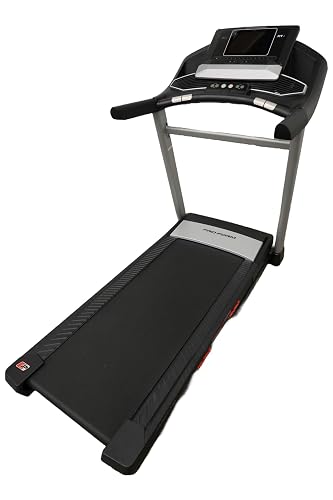
Most folding treadmills are built for walking and light jogging. A run-focused model usually has a longer, wider deck, a more powerful continuous-duty motor and a heavier frame, all of which add stability when your pace climbs above a brisk walk. Manufacturers typically specify a deck length of around 50 to 60 inches for running models, compared with shorter decks on compact walking pads. Check the stated continuous horsepower rating rather than the peak number on the box, since peak figures are often inflated and tell you little about sustained running.
Shopping for one? See our guide: 7 Best Folding Treadmills for Small Space: Picks Compared (2026).
Walking pad versus run-focused folding treadmill
Walking pads are low, narrow and easy to slide under a bed, but their decks are often too short for a comfortable running stride. A run-focused folding treadmill gives you more room, a higher top speed and usually a larger console. If you plan to run more than a few times a week, the extra footprint is usually worth it. For a broader comparison of styles, see What's the Best Folding Treadmill? 5 Top Picks Compared (2026).
Step 1: Measure Your Space and Your Stride
Before you look at any specific model, measure the room where the machine will live. Record the floor length and width, the ceiling height if you have a low fan or light fixture, and the clearance behind the machine. Most manufacturers recommend at least 2 feet of clear space at the rear and a side clearance of roughly 1 foot, so you can step on and off safely and reach the emergency stop clip.
Next, measure your own stride. Stand in your running shoes and note your height. A common rule of thumb is that a comfortable running deck should be at least 15 to 20 inches longer than your stride length, which keeps your foot from landing near the edge at higher speeds. Taller runners and people who overstride will benefit most from the longest decks available.
Checklist before you shop
- Floor length and width of the target space, measured in inches
- Rear and side clearance needed for stepping on, off and folding
- Ceiling height and the location of any light fixtures or fans
- Your height and typical running pace
- The weight of the machine and whether you can lift or fold it alone
- Outlet location and whether you can run a dedicated circuit
Step 2: Check the Deck, Motor and Frame Specs
Once you have your measurements, compare the specs that actually affect running. The table below lists the features to check and why each one matters.
| Spec | What to look for | Why it matters |
|---|---|---|
| Deck length | Typically 50 to 60 inches for running models | Prevents stride cramping and edge contact |
| Deck width | Often around 18 to 20 inches | Gives room for arm swing and lateral movement |
| Continuous horsepower | Sustained rating, not peak | Determines whether the motor holds speed under load |
| Top speed | Listed by manufacturer | Shows whether the model suits your fastest runs |
| Incline range | Manual or motorized, with stated levels | Adds training variety and effort |
| Frame and folding mechanism | Steel frame, locking hinge or latch | Affects stability and safety when folded |
| Weight capacity | Manufacturer-stated maximum | Should comfortably exceed your body weight |
Reading the motor rating correctly
Manufacturers often advertise a peak horsepower figure that is only reached briefly. Look for continuous horsepower, sometimes written as CHP, and compare it against your intended use. Walkers can often manage with a lower rating, while regular runners generally want a higher continuous figure so the belt does not slow under load.
Step 3: Set Up and Fold the Machine Safely
Good setup protects both the machine and your joints. Work through these steps the first time you assemble the unit, and follow the manufacturer’s manual for torque values and bolt sizes.
- Place the treadmill on a flat, level floor. Use the adjustable leveling feet to correct any rocking.
- Keep the unit on a mat if the floor is carpeted, to protect the fibers and reduce vibration.
- Connect the power cord to a grounded outlet. Avoid extension cords, which can overheat under a high-draw motor.
- Attach the safety key or clip and test it before your first run.
- Check that the belt is centered. Run it at a slow speed and adjust the rear roller bolts a quarter turn at a time if it drifts.
- Lock the folding mechanism fully before you step on. Confirm the latch is seated and the deck is stable.
Folding and storing
When folding, support the deck with one hand while you release the lock, and lower it slowly. Two-person lifting is advisable for heavier running models. Store the machine with the deck upright and the safety clip removed so no one can start it accidentally.
Step 4: Test the Machine Before Regular Use
Run the treadmill empty at a low speed for five to ten minutes. Listen for knocking or grinding and watch for belt slippage. Then step on, hold the handrails and gradually increase speed to a comfortable jog. Confirm the emergency stop works by pulling the clip and checking that the belt halts smoothly.
Check the belt tension and lubrication schedule in the owner’s manual. Many running treadmills need periodic belt adjustment and silicone lubricant, and skipping these tasks can shorten belt and motor life.
Common Mistakes
- Buying by peak horsepower. Continuous rating is what keeps the belt moving under a runner’s weight.
- Ignoring stride length. A deck that feels fine for walking can feel cramped at a running pace.
- Using an extension cord. Thin cords can overheat and cause voltage drop, so plug directly into a wall outlet.
- Skipping the clearance measurements. Without rear space you may not be able to step on or fold the unit comfortably.
- Placing the machine on thick carpet. Soft surfaces can destabilize the frame and make the belt feel uneven.
- Folding without locking the deck. An unlocked deck can drop unexpectedly.
Recommended gear
A few accessories make a run-focused folding treadmill safer and quieter to use.
- Equipment mat: A rubber or foam mat reduces vibration and protects flooring. View on Amazon
- Silicone belt lubricant: Manufacturers often specify a silicone-based product for belt maintenance. View on Amazon
- Hex key set: Useful for leveling feet and roller adjustments during setup. View on Amazon
- Surge protector with circuit protection: Helps protect the console and motor controller from voltage spikes. View on Amazon
FAQ
How much space does a run folding treadmill need?
Plan for the machine’s footprint plus at least 2 feet at the rear and about 1 foot at each side. Measure the unfolded length as well, since some models are longer than the deck alone suggests.
Is a folding treadmill strong enough for running?
Models sold for running typically have stronger motors and heavier frames than walking pads. Check the continuous horsepower and weight capacity against your body weight and planned pace.
How long should the deck be for running?
Many runners prefer a deck of roughly 50 to 60 inches. Taller runners and those who overstride usually need the longest deck available to avoid edge contact.
Can I fold a run folding treadmill by myself?
Some lighter models can be folded alone, but heavier running units often benefit from two people. Lift with your legs and support the deck during the folding motion.
How often should I lubricate the belt?
Follow the manufacturer’s schedule, which is usually listed in the owner’s manual. Many owners check belt condition monthly and lubricate according to the stated interval.
Do I need a mat under a folding treadmill?
A mat is recommended on carpet and helpful on hard floors to reduce noise and vibration. It also protects flooring from wear and small scratches over time.
When should I consult a professional?
If the belt keeps drifting, the motor smells of burning, or the frame wobbles after leveling, stop using the machine and contact the manufacturer or a qualified repair technician. If you have a medical condition or are returning to exercise after an injury, consult a doctor or physical therapist before starting a running program.
Conclusion
A well-chosen run folding treadmill gives you a stable, space-efficient way to train at home. Measure your room and stride first, compare continuous horsepower and deck dimensions, and set the machine up carefully. With the right model and regular maintenance, it can serve you reliably for years.
Related reading
- Deer Run Folding Treadmill: Setup, Fit and Buying Checklist
- Xterra Fitness Tr200 Folding Treadmill: Setup, Specs and Buyer Guide
- XTERRA TRX1000 Folding Treadmill: Setup, Specs and Buyer Guide
- XTERRA TR150 Folding Treadmill: Setup, Specs and Buying Checklist
Ready to choose one?
About Emily Parker
Emily Parker is part of our editorial team and reviews and edits our treadmills & walking pads guides, checking product details against manufacturer specifications and owner feedback.