By Emily Parker
Updated November 2026
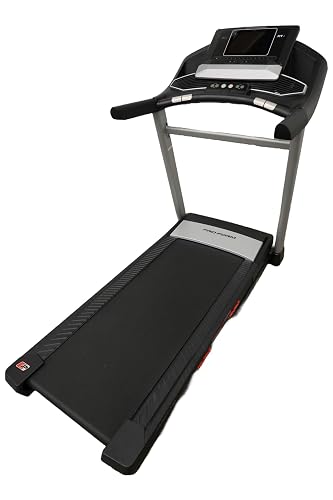
The Bowflex BXT6 folding treadmill is a compact, motorized walking and running machine that folds upright for storage. This guide walks you through what the bowflex bxt6 folding treadmill is built for, how to set it up safely, how to use and fold it day to day, and what to check before you buy. By the end, you should know whether this model fits your space, your fitness goals and your household.
What the Bowflex BXT6 Is Designed to Do
Bowflex positions the BXT6 as a home treadmill for walking, jogging and light running, aimed at people who have limited floor space and want a machine they can store out of the way. Like most folding treadmills, its main trade-off is between a usable running deck and a footprint that fits in a closet, hallway or corner of a room. Manufacturers generally specify a maximum user weight, a motor horsepower rating, a deck size and a speed range, and those numbers should guide your decision more than marketing language does.
Shopping for one? See our guide: 7 Best Folding Treadmills for Small Space: Picks Compared (2026).
Before you commit, check the official specification sheet for the current version of the BXT6. Specs can change between production runs, and some listings mix figures from different models.
Key Specs to Compare
| Factor | What to Look For | Why It Matters |
|---|---|---|
| Motor | Continuous horsepower rating, not peak | Continuous ratings indicate sustained performance under load |
| Deck size | Running surface length and width | Stride length determines comfort, especially for runners |
| Speed range | Minimum and maximum mph | Must cover your walking pace and any running intervals |
| Incline | Available incline range and whether it is manual or motorized | Incline adds intensity without extra speed |
| User weight limit | Manufacturer’s stated maximum | Exceeding it can shorten motor and frame life |
| Folded dimensions | Height, width and depth when upright | Confirms it fits your storage spot |
Preparing for Setup
Assembly of a folding treadmill is a two-person job in most cases. The uprights, console and deck are heavy, and the deck can shift unexpectedly during handling. Before opening the box, confirm you have a level floor area that is larger than the treadmill’s unfolded length, plus extra space behind the deck for stepping on and off.
Checklist Before Assembly
- A clear area roughly the size of the unfolded treadmill, plus at least 2 feet of safety space at the front and rear
- A grounded electrical outlet within reach of the power cord, ideally on a dedicated circuit
- Two adults for lifting and positioning the frame
- The owner’s manual and all included hardware, counted against the parts list
- Basic tools typically supplied in the box, plus a phillips screwdriver and adjustable wrench as backups
- A soft mat or protective sheet under the machine to protect flooring
Step-by-Step Assembly and First Use
- Unpack and inventory. Lay out all parts on a protective surface and match them against the manual’s parts list. Missing hardware is far easier to resolve before you start.
- Attach the base frame. Follow the manual’s order exactly. Connect the frame sections and tighten bolts by hand first, then finish with the supplied tools so nothing cross-threads.
- Mount the upright and console. Route the console cables through the upright carefully to avoid pinching them. Connect the wiring harnesses until they click or seat fully.
- Install the handrails and safety key. Confirm the handrails are secure and that the emergency stop clip is attached to your clothing or wrist before any test run.
- Check belt tension and alignment. Many folding treadmills ship with a belt that needs minor adjustment. Consult the manual for the specific adjustment screws and tighten in small increments.
- Power on and run a test at low speed. Start at the lowest setting, watch for unusual noises or belt drift, and stop immediately if anything seems wrong.
Folding and Unfolding Safely
The folding mechanism is where many owners get hurt or damage the machine. Before folding, stop the belt, remove the safety key, and unplug the unit. Use the locking pins or latches specified in the manual, and fold the deck with a hand on the upright rather than the deck edge. Keep fingers clear of the hinge area. To unfold, lower the deck gently and confirm the lock engages before stepping on.
Some users find a second person helpful when folding, especially for heavier units. If you have a back condition or any joint limitation, consult a physical therapist or physician before handling heavy equipment regularly.
Using the BXT6 for Walking and Running
Start with a warm-up at a walking pace, then increase speed in small steps. Treadmill belts respond quickly, so changing speed by a half mile per hour at a time keeps you in control. Stand near the center of the belt, use the handrails for balance when starting, and avoid looking down at the console while the belt is moving.
Owners often report that the belt feels different at higher speeds on compact decks, since the shorter running surface leaves less room for stride variation. If you are a longer-legged runner, measure your stride on the deck before settling into a routine, and consider whether short runs fit your style better than long sessions.
Maintenance That Extends Machine Life
Routine care is simple but skipping it is a common reason folding treadmills develop problems early. Keep the belt clean and dust free, check tension monthly, and lubricate the deck only if the manufacturer calls for it and specifies the correct product. Wipe sweat from the console and handrails after each session, and keep the area under and around the frame clear of debris.
- Check belt centering and tension after moving the unit
- Inspect the power cord for fraying or heat marks
- Tighten frame and hinge bolts every few months
- Keep the unit on a level floor and check leveling feet after folding
Common Mistakes
- Skipping the level check. An uneven floor can cause belt drift and uneven wear.
- Over-tightening belt adjustment bolts. Small turns make a big difference, so adjust gradually.
- Folding while the belt is still warm or moving. Always stop, unplug and wait before folding.
- Ignoring the user weight limit. Staying within the manufacturer’s stated limit protects the motor and frame.
- Placing the unit against a wall with no rear clearance. Leave room to step off safely in an emergency.
Should You Buy the BXT6?
The Bowflex BXT6 makes sense if you want a folding treadmill for walking and moderate running, have a defined storage spot, and are comfortable with a machine that prioritizes compactness. If you need a long, wide deck for serious running or heavy use, compare the specs against larger models before deciding. For a broader view of the category and how this model stacks up, see What's the Best Folding Treadmill? 5 Top Picks Compared (2026).
It is also worth reading an owner-focused setup and buying guide before purchase. The Bowflex T6 Folding Treadmill: Setup, Use and Buying Checklist covers similar territory with a checklist format, which is useful for comparison shopping.
If you are weighing alternatives, the iFit ProForm Sport 3.0 Smart Folding Treadmill: Setup, Features and Buying Tips and the XTERRA Fitness TR150 Folding Treadmill: Specs, Setup and Buying Guide are useful for comparing deck size, incline options and folding design. Owners considering a smaller footprint may also look at the WalkingPad C2 Folding Treadmill: Setup, Use and Care Guide (2026).
Recommended gear
A treadmill mat protects floors from vibration and makes moving the unit easier on hard surfaces.
A digital torque or hex wrench set helps you tighten frame and belt adjustment bolts to the correct tension without guessing.
A clip-on heart rate monitor gives you feedback on exertion, which helps you pace walking and running sessions without relying only on the console.
FAQ
Does the bowflex bxt6 folding treadmill need a dedicated outlet?
Many treadmills perform best on a dedicated circuit to avoid voltage drops and nuisance breaker trips. Check the manual for the required amperage and avoid extension cords unless the manufacturer permits them.
Can one person assemble the bowflex bxt6 folding treadmill?
Assembly is generally recommended with two people because the frame and deck are heavy and awkward to hold in place. A second set of hands also reduces the risk of pinched cables or damaged parts.
How do I know if the belt needs adjustment?
Watch for the belt drifting toward one edge while walking at a steady pace. If it does, follow the manual’s centering procedure in small increments.
Is the bowflex bxt6 folding treadmill suitable for running?
It can handle walking and moderate running within its rated speed range and user weight limit. Runners with long strides should check deck length against their stride before committing.
How often should I lubricate the deck?
Only lubricate if the manual specifies it and names the correct product. Over-lubricating can cause slipping and motor strain, so follow the schedule given by the manufacturer.
Is it safe to fold the treadmill with someone else nearby?
Yes, and having a second person can make folding easier and safer. Keep children and pets clear of the hinge area during folding and unfolding.
What should I do if the treadmill makes unusual noises?
Stop the unit, unplug it and check for loose bolts, belt rubbing or debris near the motor cover. If the noise continues, contact the manufacturer’s support or a qualified technician.
Should I see a professional before starting a new treadmill routine?
If you have heart disease, joint problems, balance issues or other health conditions, consult a doctor or physical therapist before beginning a new exercise program on any treadmill.
Conclusion
The Bowflex BXT6 can be a practical choice for walking and moderate running in a limited space, as long as you verify its specs against your needs. Careful assembly, safe folding and routine belt maintenance will keep it performing well. Compare its dimensions, weight limit and deck size with alternatives before you decide, and follow the manufacturer’s manual for every step.
Related reading
Ready to choose one?
About Emily Parker
Emily Parker is part of our editorial team and reviews and edits our treadmills & walking pads guides, checking product details against manufacturer specifications and owner feedback.