By Emily Parker
Updated November 2026
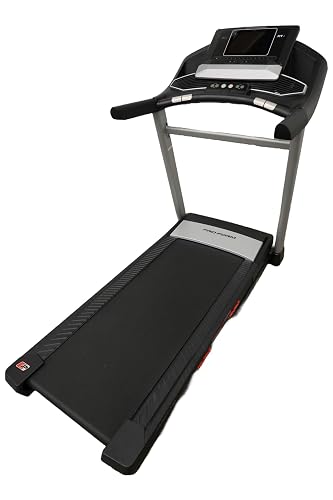
The xterra fitness trx3500 folding treadmill silver is a motorized walking and running machine designed to fold upright for storage in a small home. This guide walks you through checking what is in the box, assembling the frame, confirming the deck and console work correctly, using the fold-up feature safely, and keeping the belt in good shape. It also covers the specs worth comparing before you commit to this model.
What You Need Before You Start
Treadmills of this type are heavy and awkward to move alone, so plan for a second adult and a clear floor space. Gather everything before you open the carton so that assembly does not stall halfway through.
Shopping for one? See our guide: XTERRA Fitness Premium Folding Smart Treadmill Review (2026).
- A clear area at least 6 feet long and 3 feet wide, with about 2 feet of open space behind the machine for the folded footprint and safe dismount.
- A grounded outlet on a dedicated circuit where possible. Avoid extension cords.
- The owner’s manual and the hardware bag supplied by the manufacturer.
- Basic tools: the Allen keys and wrenches included in the box, plus a Phillips screwdriver and a socket set if your kit calls for it.
- A soft mat or floor protector to shield flooring from the frame and rollers.
- A small bottle of silicone-based lubricant only if your manual specifies it. Many belt-drive treadmills should not be lubricated with general-purpose oils.
Step 1: Unpack and Confirm the Parts
Lay the components on the mat and compare them against the parts list in the manual. Look for the main frame, the upright posts, the console, the running deck, the handrails, the power cord, and the hardware pouch. Check the belt for shipping damage and confirm the console cable and safety key are included.
Keep the packaging until the machine has run through a full test, in case a part needs to be returned.
Step 2: Assemble the Frame and Uprights
Most folding treadmills in this class assemble in a predictable sequence. The base frame sits on the floor, the uprights attach to it, and the console mounts at the top. Work through the steps in the order the manual lists them.
- Lift the frame onto the floor and extend the rear feet fully. Tighten the leveling feet so the deck will not rock.
- Attach the uprights to the base using the bolts supplied. Hand-start every bolt before tightening any of them, so threads do not cross.
- Connect the console cable to the upright harness. Route it so it is not pinched when the upright moves.
- Mount the console and tighten its bracket. Snap in the safety key clip only after the console is secure.
- Install the handrails and confirm they are level and tight.
Checking the Hardware
Once everything is bolted together, go over each fastener with a wrench. Loose uprights are the most common cause of wobble on folding machines. If a joint still moves after tightening, back the bolts out, inspect the threads, and try again rather than forcing the connection.
Step 3: Set the Deck and Belt
A new belt often needs adjustment before the first run. Check tracking by placing the treadmill on its lowest speed and watching the belt’s edges. If the belt drifts left or right, turn the rear roller adjustment bolts a quarter turn at a time, in the direction the manual indicates, and recheck after each adjustment.
Belt tension matters too. The belt should lift slightly off the deck at the center when pulled, but it should not slip under a walking load. Overtightening strains the motor and rollers, so make small corrections.
Common Tracking Symptoms
| Symptom | Likely Cause | Suggested Check |
|---|---|---|
| Belt drifts to one side | Uneven rear roller alignment | Adjust rear roller bolts in small increments |
| Belt slips under load | Insufficient tension | Tighten rear roller slightly, then test |
| Motor strains or overheats | Excess tension or obstruction | Loosen tension, clear debris, check belt path |
| Squeaking while walking | Dry or misaligned deck | Clean deck, check lubricant spec in manual |
Step 4: Power Up and Test the Console
Plug the machine into the outlet and insert the safety key. Turn on the console and check that the display lights, the speed and incline controls respond, and the emergency stop works. Start at the lowest speed with no one on the belt, then test each speed step.
Walk on the deck only after the belt has run smoothly for several minutes at low speed without noise or drift.
Step 5: Fold and Unfold Safely
The fold-up feature is convenient, but it is also where most injuries and equipment damage happen. Always stop the belt, remove the safety key, and unplug the unit before folding. Lift from the frame or the designated lift points, not from the console or handrails.
- Clear the area behind the machine so the deck can rise without striking anything.
- Engage the locking latch fully before letting go. Confirm the lock visually.
- When unfolding, release the latch slowly and control the descent with both hands.
- Check the floor for pets and children before moving the frame.
Step 6: Routine Maintenance
A treadmill lasts longer when it gets a regular schedule of simple checks. Work from the maintenance section of your manual, since intervals vary by model.
- After each use, wipe the console and handrails with a dry or lightly damp cloth.
- Weekly, vacuum around the base and under the rear roller to remove dust and debris.
- Monthly, check belt tracking and bolt tightness.
- Every few months, inspect the power cord for cracks or heat marks and confirm the safety key still engages.
Common Mistakes
- Tightening bolts before the frame is square, which locks in misalignment.
- Using household oil on a belt that calls for a specific lubricant.
- Stepping onto a moving belt before testing the speed controls.
- Folding the unit without removing the safety key, which can leave the motor in an unexpected state.
- Placing the treadmill on carpet without a mat, which can restrict airflow and impede belt movement.
- Ignoring a small tracking drift until it becomes a rubbing belt that damages the deck edge.
Tips for Getting the Most From This Model
- Keep a short log of tracking adjustments so you can see how the belt behaves over time.
- Store the hardware pouch and manual with the machine, not in a drawer elsewhere.
- Warm up at a slow walk for five minutes before increasing speed.
- If you plan to compare this model against others in the line, read the setup notes for the TRX3500 next to its sister models so you can see which differences matter for your space.
Readers comparing this model with other folding options often look at the broader XTERRA range. For example, the guide XTERRA Fitness TRX3500 Folding Treadmill: Setup, Features and Buying Guide covers feature-level comparisons, while XTERRA Fitness TRX1000 Folding Treadmill: Setup, Specs and Buyer Tips and XTERRA Fitness TR300 Folding Treadmill: Setup, Specs and Buying Guide show how neighboring models differ in frame and deck layout. If you are weighing a smart console, XTERRA Fitness TR85 Folding Smart Treadmill: Setup, Features and Buying Guide is worth a look.
Recommended gear
- Anti-vibration treadmill mat: A thick rubber mat reduces noise and protects flooring from the frame. View on Amazon
- Digital wrench set with metric and SAE sizes: Useful for tightening frame bolts to the correct torque without rounding fasteners. View on Amazon
- Treadmill belt and deck silicone lubricant: Only use this if your manual specifies silicone-based lubricant for the deck. View on Amazon
FAQ
How much space does the xterra fitness trx3500 folding treadmill silver need?
Plan for a running footprint of roughly 6 feet long and 3 feet wide, plus a few feet of clearance at the front and rear. When folded, the footprint shrinks considerably, but you still need room to lift and latch the deck safely.
Can one person assemble this treadmill?
It is possible, but two people make the job safer and faster. The frame and uprights are heavy, and aligning the console cable while holding a component is much easier with a helper.
Should I lubricate the belt?
Only if the manual calls for it, and only with the lubricant it specifies. Many belt-drive machines do not need lubrication at all, and the wrong product can damage the deck.
Why does the belt keep drifting to one side?
Drift usually comes from uneven rear roller alignment or uneven tension. Adjust the rear roller bolts in very small increments, testing at low speed after each change.
Do I need to remove the safety key when folding?
Yes. Remove the key and unplug the unit before folding or moving it. This prevents accidental starts and protects the console.
How often should I clean the treadmill?
Wipe the console and handrails after use, vacuum the base weekly, and check belt tracking and bolt tightness monthly. Adjust the schedule if the machine sits in a dusty room.
What should I do if the motor overheats or smells of burning?
Stop using the machine, unplug it, and let it cool. Check for belt tension that is too tight, debris in the belt path, or a damaged cord. If the problem continues, consult a qualified technician or the manufacturer’s support line before running it again.
Conclusion
Setting up the xterra fitness trx3500 folding treadmill silver is manageable with a clear workspace, the included hardware, and a methodical approach to frame alignment and belt tracking. Folding and unfolding safely, and keeping up with simple maintenance, will protect both the machine and your flooring. Read your owner’s manual alongside this guide, and when in doubt about electrical or mechanical repairs, consult a qualified technician.
Related reading
Ready to choose one?
About Emily Parker
Emily Parker is part of our editorial team and reviews and edits our treadmills & walking pads guides, checking product details against manufacturer specifications and owner feedback.