 By Emily Parker
Updated November 2026
Is it normal for treadmill belt to get hot? Some warmth is expected, because friction between the belt and deck produces heat during every session. A belt that feels warm under your palm after a run is usually fine. A belt that is hot enough to smell, discolor, or stay uncomfortable to the touch is a sign something is wrong. Below, we compare the two situations so you can tell which one you are dealing with.
| Criteria | Normal Warmth | Excessive Heat |
|---|---|---|
| Surface temperature after a session | Warm, comfortable to touch | Hot enough to be uncomfortable or hard to hold a hand on |
| Smell | None or faint | Burnt rubber, plastic, or electrical odor |
| Belt condition | Smooth, even color | Glazing, discoloration, or lifting edges |
| Behavior during use | Steady speed and tracking | Slipping, stalling, or uneven motion |
| Typical cause | Friction during normal use | Low lubrication, tension problems, motor strain |
Surface Temperature: Where Warmth Ends and Heat Begins
Most owners will notice the belt warming during a 30-minute walk or a longer run, and that is normal. The belt slides across the deck, and that sliding creates heat that spreads through the running surface. Manufacturers generally treat a warm belt as acceptable and focus their warnings on sustained, uncomfortable heat. Winner: warm belt, as long as it cools within a reasonable time after you stop.
Smell and Visible Wear: Signs That Matter Most
A burnt-rubber or electrical smell is the clearest sign that the belt or drive system is overworked. Owners often report this odor alongside a glazed, shiny patch on the deck or a belt that looks dull or discolored. Those signs point to friction that has gone past normal levels. Winner: a clean, odor-free belt is the one to keep.
Lubrication and Tension: The Most Common Fixable Causes
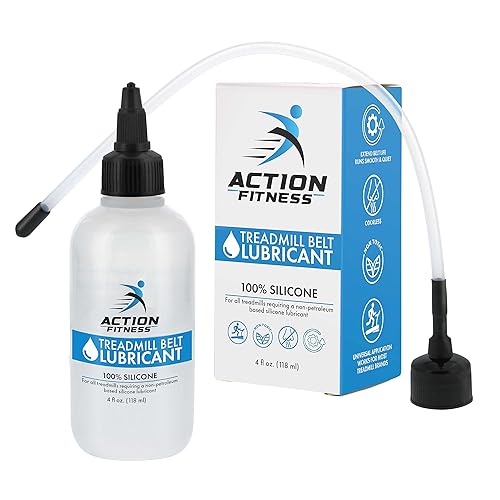
Heat that builds up faster than it should usually traces back to low silicone lubricant or a belt that is set too tight. Check your owner’s manual for the lubrication interval and the recommended tension. Many models include a tension adjustment near the rear roller, and a belt that is too tight will strain the motor and generate extra heat. Winner: a properly lubricated, correctly tensioned belt runs cooler. For more detail, see Treadmill Belt Care: Tension, Tracking and Wear.
Motor Strain and Use Patterns: When the Problem Runs Deeper
Sustained heat can also come from the drive motor working harder than it should. Running at high incline or high speed for long periods, or using a treadmill with a motor rated below your weight and pace, can push components past their comfort zone. Manufacturers specify duty cycles and weight limits for this reason. Winner: matching your use to the rated duty cycle keeps temperatures in check. If your setup involves steep inclines, 12 Percent Incline Treadmill: How to Use One Safely and Get the Most From It covers safe practices in more depth.
Pros & Cons
Warm Belt (Normal Operation)
- Pro: Expected result of friction during regular walking or running.
- Pro: Cools down within a short time after you stop.
- Con: Warmth can increase noticeably during long or intense sessions.
Hot Belt (Warning Sign)
- Pro: Heat is a useful early signal that lubrication or tension needs attention.
- Pro: Catching it early often means a simple fix.
- Con: Continued operation can damage the belt, deck, or motor.
Which Should You Choose?
Since you are deciding how to respond to the heat, here is which situation calls for which action:
- Choose to keep running if the belt is warm, smooth, odor-free, and cools within minutes. Example product for upkeep: View on Amazon
- Choose to stop and inspect if the belt smells, looks glazed, or slips. A cleaning and inspection kit helps here: View on Amazon
- Choose to adjust tension or lubricate if heat builds quickly after a few minutes of use, following the manual’s steps.
- Choose professional service if the motor area overheats, the console shuts off, or the belt will not center. For general cleaning around the motor, see Treadmill Cleaning: Console, Belt and Motor Area.
FAQ
Should a treadmill belt feel warm after every workout?
Yes, a warm belt after a session is typical. It should cool within a short period once you stop and should not smell or look damaged.
How do I know if the heat is caused by lubrication?
If the belt feels dry, makes a squeaking or grinding sound, or heats up quickly, check your manual for the lubrication schedule and the recommended product. Owners often find that a proper application resolves the problem.
When should I stop using the treadmill because of heat?
Stop immediately if you notice a burnt smell, visible glazing, slipping, or the motor shutting down. If the problem continues after basic adjustments, consult a qualified repair technician before using the machine again.
Conclusion
Is it normal for treadmill belt to get hot? A warm belt that cools quickly is expected, but heat with odor, discoloration, or slipping is not. Keep the belt lubricated, set the tension correctly, and respect the duty cycle in your manual. When in doubt, stop and have a technician take a look.
About Emily Parker
Emily Parker is part of our editorial team and reviews and edits our treadmills & walking pads guides, checking product details against manufacturer specifications and owner feedback.