As an Amazon Associate I earn from qualifying purchases. This page may contain affiliate links.
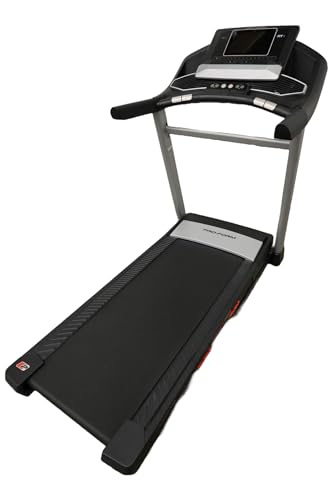
A denise austin folding treadmill is a home treadmill sold under the Denise Austin name, designed to fold upright so it takes up less floor space when not in use. Before buying, check the belt size, motor rating, weight limit, and folding latch against your height, body weight, and room. Those four specs tell you more than the marketing copy does.
Why Denise Austin Folding Treadmill Models Are Worth a Closer Look
Folding treadmills appeal mainly to people with limited space. A standard flat treadmill can measure well over six feet long, which is awkward in a spare bedroom, apartment, or living room. A folding model pivots the deck upward so the footprint shrinks to a fraction of its running length. Owners who buy a denise austin folding treadmill usually want that trade-off: a machine that stays out of the way between workouts but can still handle regular walking or light jogging.
Shopping for one? See our guide: 10 Best Folding Treadmills for Small Spaces Compared in 2026.
Because Denise Austin is a fitness-video name rather than a manufacturer with a long history of treadmill engineering, shoppers should read specifications closely. Brand recognition does not tell you how the motor will hold up under daily use, how stable the deck will feel at higher speeds, or whether the folding mechanism is robust. Those details come from the product listing and, when available, the user manual.
Key Factors to Check Before You Buy
Several specifications determine whether a folding treadmill will work for your situation. Start with these:
- Belt dimensions. Many compact folding models use a running belt around 16 to 20 inches wide and roughly 45 to 50 inches long. Taller users often find a deck under 50 inches uncomfortable for stride length. Measure your stride or compare it against the listed belt length.
- Motor horsepower (continuous duty rating). Manufacturers often list a peak horsepower figure, which can be misleading. Look for the continuous duty rating. Walking-focused machines commonly sit at the lower end, while models meant for running need more consistent power.
- Maximum user weight. Check the stated limit and leave yourself some margin. Exceeding it can strain the motor and deck over time.
- Speed and incline range. Most compact folding units top out at modest speeds. If your goal is brisk walking, a maximum around 3 to 4 miles per hour may be enough. Incline may be manual or absent; confirm which.
- Folding latch and locking mechanism. A secure latch keeps the deck from dropping when folded. Confirm the model has a visible lock and read how to engage it.
- Noise and floor protection. A rubber mat or thick pad reduces vibration and protects flooring, especially in apartments.
Common Problems Owners Report and How to Address Them
Owners of compact folding treadmills often describe a few recurring issues. Knowing them in advance helps you judge whether a given model fits your expectations.
Belt drift is one of the most frequently mentioned. If the belt slides toward one side during use, the rollers may need adjustment. Consult the manual for the rear roller adjustment bolts and make small quarter-turn changes, testing at a low speed each time.
Deck stability is another concern, particularly on thinner flooring. Placing the unit on a solid base and using a rubber mat reduces rocking. Owners also report that handrails and console mounts can feel less sturdy than on full-size machines, so avoid leaning heavily on the console.
Noise from the motor is generally described as moderate. Running on a mat and keeping the unit away from shared walls can make a noticeable difference.
Practical Steps Before and After Purchase
- Measure your ceiling height and the path from storage spot to use spot. Folded treadmills still need clearance to tilt.
- Confirm your height and stride length fit the belt size listed in the specifications.
- Check the continuous horsepower and maximum user weight rather than peak figures.
- Read the assembly and folding instructions before the first use, and confirm the latch engages fully.
- Place the treadmill on a flat, firm surface and use a mat for floor protection.
- Run a short test at low speed to check belt tracking, then adjust the rollers if needed.
- Keep the belt clean and lubricated according to the manual’s schedule.
If you have a heart condition, joint problems, balance concerns, or are returning to exercise after an injury, consult a doctor or physical therapist before starting a treadmill routine.
What We’d Use
If your main goal is saving space rather than running at high speeds, a compact folding walking treadmill is the category to compare against any denise austin folding treadmill you consider.
- A compact folding walking model with a rubber floor mat for vibration control: View on Amazon
- A treadmill cover to protect the deck and belt when the unit is folded: View on Amazon
Related questions
Is a folding treadmill stable enough for walking?
Most compact folding models are designed for walking and light jogging. Stability depends on the frame, the floor surface, and how well the deck is locked in place. Using a mat and reading the stated weight limit helps.
How do I know if a folding treadmill will fit my space?
Measure the folded depth, width, and height, then add clearance for the tilt and a little room to step on and off. See our guide to Treadmill Storage: Folding, Moving and Placement for layout tips.
What should I look for in the folding latch?
Look for a positive lock that engages with an audible or visible click. Test it with the deck folded and confirm it holds before you walk away. Our piece on Treadmill Folding Mechanisms: Latches and Safety explains common designs.
Can a folding treadmill go under a bed?
Some low-profile models are sized for under-bed storage, but you need to measure the bed clearance and the unit’s folded height carefully. See Under Bed Folding Treadmill: How to Choose, Fit and Use One Safely.
How often should I lubricate the belt?
Follow the schedule in your owner’s manual. Many manufacturers recommend checking lubrication periodically and applying silicone-based treadmill lubricant only if the manual specifies it.