By Emily Parker
Updated November 2026
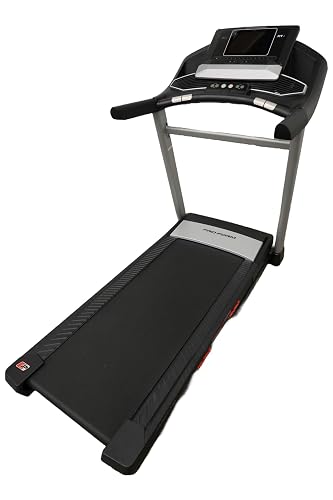
A Gold’s Gym folding treadmill can be a practical choice for a home gym where floor space is tight. This guide walks you through what to check before you buy a Gold’s Gym folding treadmill, how to set it up and fold it without strain, and how to keep it running smoothly over time. By the end, you should know which specs matter most and how to avoid the mistakes that cause most early problems.
What to Check Before You Buy a Gold’s Gym Folding Treadmill
Gold’s Gym sells several folding models across different price tiers, and the specifications vary more than the branding suggests. Start with the numbers in the product listing, then compare them against how you plan to use the machine. Manufacturers specify motor horsepower, continuous duty rating, belt size, maximum user weight and incline range, and these are the figures that tell you whether a model suits walking, jogging or running.
Shopping for one? See our guide: 7 Best Folding Treadmills for Running at Home: Buyer's Guide 2026.
Motor and Continuous Duty Rating
Peak horsepower is the number most often advertised, but a continuous duty rating is more useful. It describes how much power the motor can deliver for sustained use. A motor rated only for peak output may feel strong for short sessions and struggle during a 40-minute run. If you plan to run, look for a continuous rating that is clearly stated in the spec sheet rather than implied.
Belt Size and Deck Length
Belt width and length determine how comfortable the machine feels. Owners who are taller than about 5’10” often report that a shorter deck makes their stride feel cramped, especially at faster speeds. Check the listed belt dimensions and compare them to your height and typical stride. A wider belt gives more room for side-to-side drift, which helps if you are a heavier-footed walker.
Maximum User Weight
The maximum user weight is a structural limit, not a suggestion. Choosing a model rated well above your body weight leaves a margin for the stress of running, which puts more load on the deck and frame than walking does. This matters even more for folding models, since the hinge and lift mechanism add complexity.
Incline Range
Many folding treadmills offer a motorized incline. Manufacturers typically list the range as a percentage, such as 0 to 10 percent. Incline adds intensity without speed, so it can be useful for walkers who want more challenge. Confirm whether the incline is motorized or manual, since manual adjustment means stopping and reaching under the deck.
Tools and Preparation for Setup
Most folding treadmills, including Gold’s Gym models, ship mostly assembled, but you will still need a clear workspace and a few basic items. Plan for about an hour, and have a helper available for lifting the deck.
- A level floor with at least 6 feet of clearance in front of and behind the machine
- Access to a grounded wall outlet on a dedicated circuit if possible
- The Allen wrenches and hardware included in the box
- A phillips screwdriver and adjustable wrench
- The owner’s manual, which lists torque and assembly sequence for your exact model
- A rubber mat or equipment pad to protect flooring and reduce vibration
Step-by-Step Setup of Your Gold’s Gym Folding Treadmill
Setup mostly involves unpacking the frame, attaching the console and handrails, and confirming that the belt is aligned. Follow the order in your manual, because some models require the console to be attached before the deck is raised.
- Remove packaging and check the parts against the manual’s parts list before discarding anything.
- Place the base on the mat in the intended location. Confirm it sits flat, since a rocking frame affects belt tracking.
- Attach the uprights and console using the included bolts. Tighten them evenly rather than fully tightening one side first.
- Connect the console cable to the motor controller. Route the wire so it is not pinched when the deck folds.
- Plug the power cord into a grounded outlet and turn the power switch on. Check that the display lights up.
- Run the machine at a slow walking speed with no one on it and watch the belt. It should center without drifting toward one edge.
- If the belt drifts, adjust the rear roller bolts a quarter turn at a time, then test again.
Locking and Unlocking the Deck
Before folding, confirm the treadmill is switched off and unplugged. Use one hand on the deck and one on the frame, lift slowly, and engage the lock until you hear it click. Some owners find it easier to lift from the front edge with the knee bent rather than pulling from the handrails, which can strain the upright joints over time.
Folding and Storing Safely
The folding mechanism is the part most likely to be misused. Always stop the belt completely, wait for it to come to rest, and unplug the machine. Keep children and pets clear of the area while the deck moves. When storing the machine upright, make sure the locking pin or latch is fully seated, so the deck cannot drop if bumped.
Routine Maintenance That Extends Belt and Motor Life
Regular upkeep is inexpensive in time and makes a noticeable difference. Owners who skip it often report belt slip, uneven wear and a louder motor over the first year.
| Task | How Often | Notes |
|---|---|---|
| Wipe the belt and deck surface | After most sessions | Use a dry or lightly damp cloth. Avoid spraying liquid under the belt. |
| Check belt tension and tracking | Monthly | Adjust only if the belt drifts or slips under load. |
| Lubricate the deck | Per manual, often every few months | Use only the silicone lubricant the manufacturer specifies. |
| Vacuum under and around the base | Monthly | Dust and debris can work into the motor housing. |
| Inspect the power cord and console cable | Monthly | Look for fraying or pinching near the hinge. |
Lubrication Mistakes to Avoid
More is not better. Over-lubricating can soak the deck and cause the belt to slip. Apply the amount the manual describes, run the machine for a few minutes, and wipe away any excess.
Common Mistakes
- Buying on peak horsepower alone. Look for continuous duty ratings and user weight limits instead.
- Setting up on an uneven floor. A rocking frame causes belt drift and speeds up wear.
- Folding while the belt is still moving. This strains the mechanism and can damage the deck.
- Ignoring the safety key. Clip it to your clothing so the machine stops if you fall.
- Skipping the warm-up. Start at a walking pace for several minutes before increasing speed.
- Using the treadmill as a clothes rack. Items on the handrails or deck can affect balance and tracking.
Tips for Getting the Most from a Folding Model
Keep the machine in a spot where you can reach the console and the power switch without stretching. If you use the treadmill most mornings, a quiet mat will reduce noise for people in rooms below. Log your sessions in a notebook or app so you can spot changes in belt noise or motor effort over time. Those early signs often show up before a noticeable failure.
Recommended gear
A few accessories make everyday use easier and help protect the machine.
- Rubber equipment mat: A thick mat under the base reduces vibration and protects flooring from scuffs. View on Amazon
- Silicone treadmill lubricant: Use the type your manual specifies to keep the deck gliding smoothly. View on Amazon
- Replacement safety key: A spare key lets you keep the stop function working if the original is lost. View on Amazon
If you are comparing this model with other options, our overview of What's the Best Folding Treadmill? 5 Top Picks Compared (2026) puts several designs side by side. For a closer look at belt-driven compact models, see WalkingPad R2 Folding Treadmill: Setup, Features and Buying Checklist. Readers who want a smart console may also find iFit ProForm Sport 3.0 Smart Folding Treadmill: Setup, Features and Buying Tips useful. If you are limited on space, Under Bed Folding Treadmill: How to Choose, Fit and Use One Safely covers storage-focused setups. For buyers outside the United States, Folding Treadmill South Africa: A Buyer's Guide for Home Use (2026) addresses local considerations.
FAQ
Is a Gold’s Gym folding treadmill suitable for running?
It depends on the model. Check the continuous duty horsepower, belt length and maximum user weight. Walking is generally well supported across the range, while running requires a stronger motor and a deck sized for longer strides.
How much space do I need to use one?
Plan for at least 6 feet of clear space in front and behind the machine so you can step on and off safely. Width depends on the belt size listed in the specs.
How do I stop the belt from drifting?
Make sure the base sits level, then adjust the rear roller bolts in small quarter-turn increments. Test at a slow speed after each adjustment until the belt centers.
Can I fold the treadmill with someone on it?
No. Stop the belt, let it come to a full rest, and unplug the machine before folding. Never attempt to fold it while anyone is standing on the deck.
How often should I lubricate the deck?
Follow the schedule in your owner’s manual, which often recommends every few months depending on use. Use only the lubricant the manufacturer specifies.
What should I do if the motor sounds louder than usual?
Check for loose hardware, debris under the base and belt tension first. If the noise continues, stop using the machine and contact Gold’s Gym support or a qualified repair technician. Electrical concerns should be handled by a professional.
Do I need a surge protector?
Plugging the treadmill into a grounded outlet, ideally on its own circuit, is the safer choice. A surge protector rated for the motor’s load can help, but confirm it is suitable for the machine’s power draw first.
Should I consult a professional before buying or repairing?
Yes, if you have a medical condition, are returning to exercise after an injury, or notice electrical problems such as burning smells or sparks. A physician or qualified technician can give advice specific to your situation.
Conclusion
A Gold’s Gym folding treadmill suits home users who need to save floor space, provided the specs match their height, weight and intended pace. Setting it up on a level surface, folding it only after the belt stops and keeping the deck lubricated will extend its life considerably. Review the maintenance table periodically and address small issues early. Consult a qualified professional for any electrical or medical concerns.
Ready to choose one?
About Emily Parker
Emily Parker is part of our editorial team and reviews and edits our treadmills & walking pads guides, checking product details against manufacturer specifications and owner feedback.