By Emily Parker
Updated November 2026
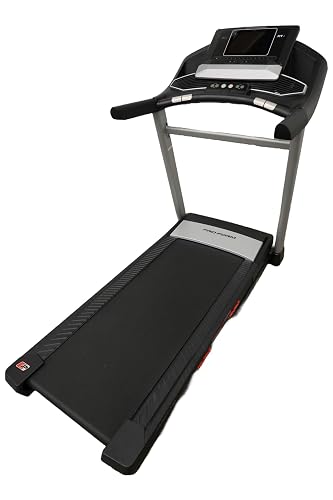
The nordictrack c2000 folding treadmill is a mid-range home walking and running machine built around a folding deck, a motorized belt and a console with incline and built-in workout programs. This guide walks you through what the machine is designed to do, how to set it up on a typical home floor, how to fold and store it without damaging the deck or the lift assist, and what to check before you buy a used unit or troubleshoot one you already own. Specifications below are the ones the manufacturer publishes, and you should confirm details against the label on your own unit because revisions happen.
What the NordicTrack C2000 Is Built to Do
The C2000 belongs to NordicTrack’s consumer line, which is aimed at people who want a treadmill that handles daily walking, jogging and interval sessions without taking over a room. Like most folding models in this class, its main selling points are a motor that is sized for regular home use, a deck long enough for a comfortable stride, and a frame that folds upright so the footprint shrinks when the machine is not in use.
Shopping for one? See our guide: NordicTrack Commercial 1750 Folding Treadmill Review (2026).
Before you commit to any treadmill, compare what you plan to do with it against what the machine is rated for. Manufacturers typically specify a maximum user weight, a continuous-duty horsepower rating and a speed range. Those three numbers tell you more than marketing language does. If you are a heavy runner, check the deck cushioning and motor rating carefully. If you mostly walk, a lower motor rating may be perfectly adequate.
Key Specifications to Check Before Setup
Take a few minutes to read the spec sheet that came with your unit or the one posted on the manufacturer’s site. The table below lists the categories you should confirm, with a note on why each one matters. Fill in the actual values from your model’s documentation rather than relying on memory or secondhand summaries.
| Specification | What to confirm | Why it matters |
|---|---|---|
| Motor (continuous horsepower) | Manufacturer’s stated rating | Determines how well the belt holds speed under load over long sessions |
| Running surface | Belt length and width in inches | Affects stride comfort, especially for taller users and faster runners |
| Speed range | Minimum and maximum mph | Confirms whether the machine covers your walking and running pace |
| Incline range | Percentage or degree range | Matters if you plan to train on hills |
| Maximum user weight | Rating in pounds | Exceeding it can shorten motor and deck life and void warranty terms |
| Folded dimensions | Height, width and depth when upright | Tells you whether it fits the storage spot you have |
| Assembled footprint | Length and width in use | Determines clearance you need behind and beside the belt |
| Power requirement | Voltage and amperage on the label | Dedicated outlet or extension cord limits depend on this |
Setting Up the NordicTrack C2000 Step by Step
Setup on a folding treadmill is mostly about getting the frame square, the belt centered and the console connected. Plan for a second person to help with the heavy frame, and plan on roughly an hour the first time, including unpacking and cleanup.
Tools and Supplies You Will Need
- The Allen wrench or hex key set included with the unit
- A Phillips screwdriver
- A level or a smartphone level app
- A measuring tape
- A soft cloth to protect the floor and console during assembly
- A dedicated, grounded outlet within reach of the power cord
Step 1: Choose and Prepare the Location
Measure the assembled footprint and add clearance. A common guideline is at least two feet behind the deck for safe dismount and about one to two feet on each side. Pick a level, hard or low-pile floor. Thick carpet can compress unevenly and make belt tracking harder. Keep the unit away from walls where the folded frame could catch doorframes when you move it.
Step 2: Unpack and Lay Out Parts
Remove packaging carefully and lay out the frame, console, uprights, hardware bags and the belt assembly. Count the hardware against the parts list. Missing bolts are a common reason setups stall, so resolve any shortages before you start tightening.
Step 3: Attach the Uprights and Console
Follow the sequence in the owner’s manual. Hand-start every bolt before tightening any of them fully. Cross-tighten to avoid bending the console mount. Route the console cables without pinching them against the frame, and keep the connectors clear of moving parts.
Step 4: Check Belt Alignment and Tension
Most treadmills ship close to correct, but shipping and handling can shift the rollers. With the machine off, check that the belt is centered on the deck. If it drifts toward one side when the belt runs, adjust the rear roller bolts in small, equal quarter-turns on each side. Recheck after each adjustment. The belt should feel firm but not so tight that it strains the motor when it starts.
Step 5: Level the Frame
Use a level on the deck or side rails. If the unit rocks, adjust the leveling feet until it sits flat. A stable frame reduces vibration and helps the belt track evenly.
Step 6: Connect Power and Run a Test
Plug into a grounded outlet and avoid daisy-chained power strips or thin extension cords. Start at the lowest speed with the safety key clipped to your clothing, and watch the belt for at least five minutes. Listen for rubbing or squealing and check for drift. Then test each incline setting and the emergency stop.
How to Fold and Store the Unit Safely
Folding is where many owners strain a back or dent the console, so use a two-person approach if possible. Unplug the unit and let the belt come to a complete stop. Clear the area behind the deck. Engage the transport wheels, then lift the deck from the front using the handle designed for that purpose, keeping your knees bent and back straight. Lower the frame slowly until it locks upright. Check that the locking pin or latch is fully seated before you let go. Store it in a dry room away from direct heat, and never fold it while the belt is still moving.
Maintenance Basics for Long-Term Use
Routine care extends the life of the belt, deck and motor. Keep the area under the belt free of dust and debris. Clean the deck and console with a damp cloth and mild cleaner, and keep liquids off the console. Check belt tension and tracking monthly. Lubricate the deck only if the manufacturer calls for it and use the product type specified; the wrong lubricant can damage the deck and attract dust. Inspect the power cord for wear and the safety key for cracks.
Troubleshooting Common Issues
If the belt slips under load, check belt tension first, then look for signs of wear on the drive belt or rollers. If the belt drifts, follow the tracking steps above. If the console goes dark, check the power cord connections and the safety key before assuming a board failure. Never open the motor hood unless the manual says it is safe and you have disconnected power. Consult a qualified technician or the manufacturer for electrical faults, since mains voltage and capacitors can cause serious injury.
Common Mistakes to Avoid
- Placing the unit on thick carpet that lets the frame shift
- Skipping the level check, which causes uneven belt wear
- Overtightening rollers and straining the motor
- Folding or moving the unit with the belt still warm or running
- Exceeding the rated user weight for daily sessions
- Using an undersized extension cord or a shared power strip
- Ignoring the safety key and running without it attached
Tips for Getting More From the Machine
Start with short walking sessions and build up gradually, especially if you are new to treadmill training. Use the built-in programs to vary your intervals rather than holding one pace for every session. Keep a simple log of time, speed and incline so you can see progress. If you are also comparing other machines, the guides on this site cover a range of alternatives, including the NordicTrack EXP 7i Folding Treadmill and the NordicTrack C700 Folding Treadmill, which can help you judge how the C2000 stacks up on size, deck and console.
Recommended Gear
A treadmill mat protects floors from vibration and makes cleanup easier. View on Amazon
A digital level helps you confirm the frame is flat during setup and after moving the unit. View on Amazon
A surge-protected power strip rated for your machine’s load can protect the console from electrical spikes, though it should never replace a proper outlet. View on Amazon
FAQ
Is the NordicTrack C2000 suitable for running?
It can handle walking and jogging for most home users. Check the speed range and motor rating in your model’s spec sheet to confirm it matches the pace you plan to use.
How much space do I need for a folding treadmill like this?
Measure the assembled footprint, then add at least two feet behind the deck and one to two feet on each side for safe use. Measure the folded dimensions too, so you know whether it fits your storage spot.
Can one person set up the unit alone?
Some steps are manageable alone, but lifting the frame and attaching the uprights is much safer with two people. Plan for an hour or more for the first assembly.
How often should I check belt tension?
Checking monthly is a reasonable routine for most home users, and any time you notice slipping or drift. Make small adjustments and recheck after each one.
Do I need to lubricate the deck?
Only if the manufacturer’s manual calls for it. Use the lubricant type they specify, because the wrong product can cause damage or attract debris.
What should I do if the belt keeps drifting to one side?
Confirm the frame is level, then adjust the rear roller bolts in small, equal quarter-turns on each side until the belt centers. Recheck after each adjustment.
Should I see a technician for electrical problems?
Yes. Mains voltage and internal components can be dangerous, so consult a qualified technician or the manufacturer before opening the motor area or attempting electrical repairs.
Conclusion
The nordictrack c2000 folding treadmill rewards owners who match its specifications to their routine and set it up on a level, adequately clear floor. Confirm the motor rating, speed range, user weight limit and folded dimensions before you buy or install. Keep the belt tracked and tensioned, fold it carefully and follow the manufacturer’s maintenance schedule for a long service life. When something feels off, start with the simple checks and bring in a professional for anything electrical.
Related reading
- NordicTrack EXP 7i Folding Treadmill: Setup, Specs and Buying Guide
- NordicTrack C950i Folding Treadmill: Setup, Features and Buying Guide
- NordicTrack C700 Folding Treadmill: Setup, Specs and Buying Guide
Ready to choose one?
About Emily Parker
Emily Parker is part of our editorial team and reviews and edits our treadmills & walking pads guides, checking product details against manufacturer specifications and owner feedback.