 By Emily Parker
Updated November 2026
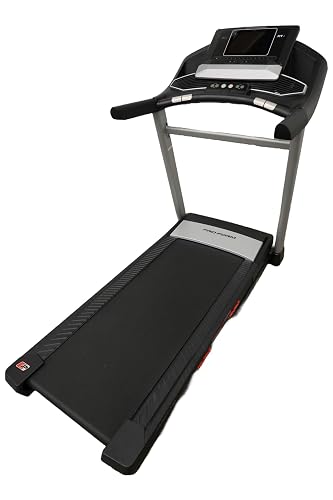
The proform sport 3.0 smart folding treadmill is a space-saving, iFit-enabled walking and running machine designed for home use. In this guide, you will learn how to plan your space, unbox and assemble the unit safely, run the first workout, check the folding mechanism, and perform basic maintenance. You will also get a buying checklist so you can decide whether this model fits how you plan to train.
What the ProForm Sport 3.0 Is Built to Do
ProForm positions the Sport 3.0 as a folding treadmill for people who want a smart, connected machine without giving up a lot of floor space. Its main selling points are a folding deck that stands upright for storage, a motorized incline, a touchscreen console built around iFit workouts, and a cushioned running surface. Before you commit to any treadmill, it helps to know what it is designed for. Manufacturers generally aim this class of machine at walking, jogging and light-to-moderate running rather than sustained high-speed sprint training.
Shopping for one? See our guide: 6 Best Deerrun A5 Pro Smart 2 in 1 Folding Treadmill Options (2026).
If you are comparing it with other ProForm models, the broader lineup is worth a look. For example, iFit ProForm Sport 3.0 Smart Folding Treadmill: Setup, Features and Buying Tips covers the same model from a buyer’s angle, while ProForm Trainer 8.7 Folding Treadmill: Setup, Features and Buying Guide and ProForm Cadence LT Folding Treadmill: Setup, Features and Buying Guide show how neighboring models differ in deck size and console design.
Step 1: Measure Your Space Before Delivery
Folding treadmills save room only if you have a clear path to the spot where the machine will live. Measure three things before the box arrives.
- Running area: Plan for a clear zone roughly 6 feet long behind the deck, plus at least 2 feet of open space on each side for safe stepping on and off.
- Folded footprint: Measure the width and depth of the base when the deck is upright. Make sure it fits against a wall or in a closet where you want it stored.
- Doorways and stairs: Treadmills are heavy and awkward. Confirm the unit can be tilted and carried through every doorway and hallway between the entry and the final location.
Also check your electrical setup. Manufacturers typically specify a dedicated grounded outlet. Avoid extension cords and power strips, which can overheat under the motor’s load.
Step 2: Unbox and Assemble Safely
Assembly usually takes one to two hours with two adults. Work on a clear floor and keep the included hardware organized by bag.
Tools and Supplies You Will Need
- The Allen wrenches and any socket tools included in the hardware kit
- A phone or tablet, if you plan to use the included setup video or app guidance
- A second person to lift the frame and upright sections
- A soft mat or cardboard to protect the floor and the deck during assembly
- Scissors or a utility knife for removing packaging tape and straps
Assembly Sequence
- Lay out all parts and match them to the hardware bags against the manual’s parts list.
- Attach the uprights and console mast to the base frame, tightening bolts snug but not overtightened.
- Connect the console cable and the safety key cable before attaching the console to the mast.
- Install the running belt and check that it is centered on the deck.
- Tighten all fasteners again after the first hour of use, since bolts can settle slightly.
Do not rely on memory for the cable routing. Take a photo at each stage so you can reverse a step if something does not fit.
Step 3: Check the Belt and Deck Before Your First Walk
Running belts are adjusted at the rear roller. Most treadmills, including folding models in this price segment, need the belt tension and tracking checked after assembly and periodically afterward.
Belt Tracking Checklist
- Walk on the belt at a slow speed and watch which way it drifts.
- If it drifts left, turn the left rear adjustment bolt a quarter turn clockwise, then recheck. Reverse the logic for right drift.
- Make only small adjustments, and test at slow speed before increasing speed.
- The belt should feel firm when you press down in the middle, with no slipping under load.
Keep your hands away from the moving belt and the rear roller while adjusting. Unplug the unit for safety whenever you need to reach under the deck.
Step 4: Learn the Folding Mechanism Safely
The fold is the main reason many buyers choose a model like this. Fold and unfold the deck only when the belt is stopped and the console is off.
- Stop the belt and remove the safety key.
- Lift the deck slowly by its handle or lift point, supporting the weight with your legs rather than your back.
- Engage the locking latch until you hear or feel it seat fully.
- To unfold, release the latch, lower the deck gently to the floor, and stand clear of the rear edge.
Owners often report that the deck feels heavier than expected, so never try to fold it alone if you are not comfortable with the weight. Confirm the latch is fully engaged before you let go, and keep children and pets away during folding.
Step 5: Set Up iFit and Run Your First Workout
The console is the main reason many people buy a smart treadmill. Before you start, connect the machine to your home Wi-Fi network so you can access iFit content, device updates and workout tracking. Create or sign into your account, then complete the profile setup so pace and incline suggestions are based on your fitness level and goals.
For the first session, start at a slow walking speed, keep incline at zero, and hold the handrails until you feel balanced. Gradually increase speed in small steps. Many new users find that a 10-minute walk followed by a short cooldown is a sensible introduction. Use the safety key clip, and make sure it is attached to your clothing so the machine stops if you fall.
Step 6: Basic Maintenance Schedule
| Task | How Often | Notes |
|---|---|---|
| Wipe the belt and deck surface | After each use or weekly | Use a dry or lightly damp cloth; avoid soaking the belt edges. |
| Check belt tracking | Every few weeks | Adjust in small increments at slow speed. |
| Tighten frame bolts | Monthly | Look for loose folding hinges and uprights. |
| Vacuum under the base | Monthly | Dust and pet hair can build up around the motor cover. |
| Inspect the power cord | Monthly | Look for kinks, cracks or heat marks. |
For deeper troubleshooting, consult the owner’s manual and contact ProForm support if a problem persists. Electrical or motor issues should be handled by a qualified technician.
Buying Checklist: Is This Model Right for You?
Before purchase, compare the Sport 3.0 against your actual routine. Ask these questions:
- Will you mostly walk, jog, or run at high speed? Confirm the machine’s stated speed range and motor specs against your plans.
- Is the deck length comfortable for your stride? Taller users should check the belt length in the manufacturer’s specifications.
- Do you want a smart console and streaming classes, or a simpler machine?
- Can your room and doorways accommodate the folded and unfolded dimensions?
- Do you have a reliable Wi-Fi connection near the treadmill’s location?
Common Mistakes to Avoid
- Skipping the safety key: Always use the clip, even for short walks.
- Using an extension cord: Plug directly into a grounded wall outlet.
- Folding while the belt is moving: Stop the belt and wait for it to fully stop first.
- Overtightening belt adjustments: Small turns make a big difference. Overtightening can strain the rollers.
- Placing it on thick carpet: Deep pile can restrict airflow and interfere with stability. A rubber mat helps.
Tips for Long-Term Use
- Warm up for five minutes before any workout, even at a walking pace.
- Keep the console screen clean and avoid spraying liquids directly onto it.
- Rotate your routine between walking intervals and steady pace to reduce strain on joints.
- If you have a medical condition, pregnancy, or joint concerns, consult a doctor or physical therapist before starting a new exercise program.
Recommended Gear
A few accessories make everyday use easier and help protect your floor and your machine.
- Treadmill floor mat: A thick rubber mat reduces vibration and protects hardwood or laminate floors. View on Amazon
- Digital torque or Allen wrench set: Useful for periodic bolt checks and belt adjustments. View on Amazon
- Dumbbell set or resistance bands: Adds strength work to your routine alongside the treadmill. View on Amazon
FAQ
How much space does the ProForm Sport 3.0 need when folded?
Folded dimensions depend on the exact configuration, so check the manufacturer’s listed folded width, depth and height against your storage spot before buying. Leave a little extra clearance for the latch and handles.
Do I need a dedicated outlet?
Manufacturers commonly recommend a dedicated grounded outlet. Avoid extension cords and power strips, which can overheat under the motor’s load.
How often should I adjust the belt?
Check tracking every few weeks, or sooner if you notice drift. Make only small adjustments and test at slow speed.
Can I fold the treadmill alone?
Folding is possible for some users, but the deck is heavy. Use a second person if you have any concern about lifting or balance.
Is iFit required to use the treadmill?
The machine can be used for basic walking and running without a workout subscription, but iFit features require an active account and internet connection.
What should I do if the belt slips?
Check belt tension first, then tracking. If slipping continues, stop use and contact ProForm support or a qualified technician.
Is this treadmill suitable for running?
It is designed for walking and light-to-moderate running. Heavier runners or those planning sustained high-speed training should compare the stated speed range and motor specs carefully.
Conclusion
The proform sport 3.0 smart folding treadmill works best for people who want a connected machine that stores out of the way. Measure your space, assemble it carefully, keep the belt tracked and the bolts tight, and fold it only with the belt stopped. Confirm the specs match your training goals, and consult a healthcare professional before starting any new exercise routine.
Related reading
Ready to choose one?
About Emily Parker
Emily Parker is part of our editorial team and reviews and edits our treadmills & walking pads guides, checking product details against manufacturer specifications and owner feedback.