 By Emily Parker
Updated November 2026
If your treadmill belt gets hot, the first thing to know is that some warmth is normal, while heat you can feel through the deck or smell from the motor area usually points to friction, poor tension, or a lubrication problem. In this guide you will learn how to tell normal warmth from a real problem, how to check the common causes, and how to make safe adjustments that bring the belt back to a comfortable running temperature.
Is It Normal for a Treadmill Belt to Get Warm?
Yes. Friction between the belt and the deck, and the belt rolling over the front and rear rollers, generates heat during every run. Manufacturers generally design belts to run warm after a workout, and the deck is built to dissipate that heat. The question is not whether the belt warms up, but how hot it gets and whether the temperature keeps climbing.
For a more detailed breakdown of what counts as warm versus hot, see Is It Normal for Treadmill Belt to Get Hot? Warm vs Hot Explained.
Rough guide to what you are feeling
| What you notice | Likely meaning | Action |
|---|---|---|
| Slightly warm to the touch after a session | Normal friction and rolling heat | No action needed; keep the deck clean |
| Warm all the time, even after a short walk | Possible over-tension or dry deck | Check tension and lubrication |
| Too hot to hold a hand on, or a burning smell | Heavy friction or motor strain | Stop using the treadmill and inspect |
| Heat plus slipping, jerking or squeaking | Belt slipping on the drive system | Stop and check tension and drive components |
Main Causes of a Treadmill Belt That Gets Hot
Most overheating comes down to one of four issues: the belt is too tight, the deck is dry, the belt is misaligned and rubbing, or the drive system is working too hard. Owners often report that the problem appears suddenly after a move, after cleaning with the wrong product, or after a long stretch without lubrication.
Belt tension set too high
Over-tightening increases the pressure of the belt on the deck and rollers. That extra pressure creates friction, and friction creates heat. Tension that is too high can also strain the front and rear rollers and the motor.
Dry or dirty deck
Most treadmill decks are designed to run with a thin film of silicone-based lubricant. When that film wears away, the belt grinds against bare surfaces. Dust, dried sweat and debris make it worse by acting like sandpaper. Manufacturers typically recommend checking lubrication periodically, and the exact interval varies by model and usage, so consult your owner’s manual.
Misalignment and rubbing
If the belt drifts to one side, the edge may rub against the frame or side rail. That rubbing produces concentrated heat in one spot and can wear the belt edge unevenly. Check for a belt that sits noticeably off center.
Motor or drive strain
A belt that is hard to move, or a motor working against a dragging deck, can run hot. Heat from the motor compartment can also radiate to the belt area. If you smell burning or the motor housing is hot, stop using the treadmill.
Step-by-Step: How to Check and Fix a Hot Treadmill Belt
Work through these steps in order. Unplug the treadmill before you touch the belt, deck or drive area.
Step 1: Unplug and let it cool
Turn off the treadmill, remove the safety key, and unplug the power cord. Allow the deck and motor area to cool for at least 30 minutes before inspecting.
Step 2: Check the belt tension
- Locate the rear roller bolts at each end of the treadmill.
- Check the owner’s manual for the recommended tension specification.
- Turn each bolt a quarter turn at a time, keeping both sides even.
- Walk the belt by hand to confirm it is not pulled tight against the deck.
A common test is to lift the belt at its midpoint. It should lift a few inches but not feel stretched taut. Loosen the bolts slightly if it is very tight.
Step 3: Check the belt alignment
Run the treadmill at a slow speed, around 2 mph, and watch which way the belt drifts. Adjust the rear roller bolt on the side the belt is moving toward by a quarter turn, then recheck. Make small corrections. Sudden large turns can throw the belt off in the other direction.
Step 4: Inspect and lubricate the deck
Lift the belt and look at the deck surface. Dry, pale or gritty areas suggest it needs lubricant. Use only the silicone lubricant your manufacturer specifies, applied in a line along the deck. Do not use petroleum-based oils, WD-40 or household sprays. For a safe-choice overview, see What Oil to Use on Treadmill Belt? Safe Lubricant Guide.
Step 5: Clean the deck and belt underside
Use a dry cloth to remove dust and debris. If the belt is sticky, a mild cleaner approved for treadmills may help. Review What Can I Use to Clean Treadmill Belt? Safe Options and Steps before choosing a product.
Step 6: Test at low speed
Reconnect the power, insert the safety key, and run the belt at a slow walking pace for five to ten minutes. Monitor the temperature by carefully touching the deck edge, not the belt surface during motion. If the heat persists, stop and consult a qualified technician.
Tools and Checklist Before You Start
- Owner’s manual for tension and lubricant specifications
- Appropriate Allen key or wrench for the rear roller bolts
- Dry microfiber cloth
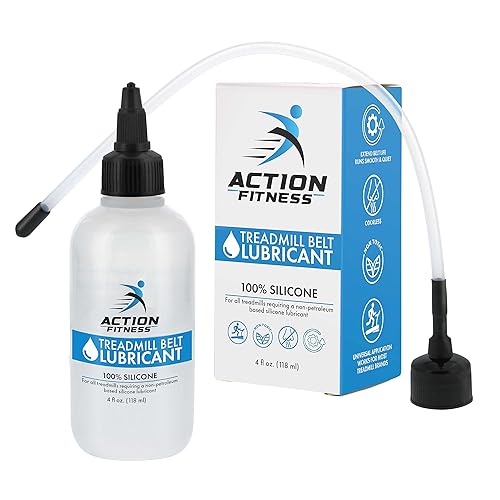
- Manufacturer-approved silicone treadmill lubricant
- Flashlight to inspect the deck underside
- Helper, if you need to lift the belt
Common Mistakes to Avoid
- Over-lubricating. Too much lubricant can seep into the motor area and cause slipping or a mess. Apply a measured amount.
- Using the wrong product. Household oils can damage the belt and deck.
- Tightening all the way. Overtightening is one of the most frequent causes of heat.
- Ignoring a burning smell. Stop immediately and inspect before running again.
- Adjusting one side only. Uneven changes make alignment worse.
Tips for Keeping the Belt Running Cool
- Clean the deck and underside of the belt regularly.
- Recheck tension and alignment after moving the treadmill.
- Run the treadmill on a level, stable floor with a clear space behind it.
- Keep the motor area free of dust and pet hair to help it cool.
- Keep a log of lubrication and adjustment dates so you know when service is due.
Recommended gear
A few basic supplies make checking and maintaining the belt much easier.
- Treadmill-specific silicone lubricant. Formulated for deck use and matched to what manufacturers typically specify. View on Amazon
- Microfiber cleaning cloths. Lint-free cloths let you clean the deck and belt edges without leaving residue. View on Amazon
- Allen wrench set. Many treadmills use hex-head rear roller bolts, so a full set helps you adjust tension without stripping fasteners. View on Amazon
FAQ
Should a treadmill belt get hot?
It should feel warm after use, not scorching. Heat you cannot comfortably touch, or heat that comes with a burning smell, means you should stop and inspect the treadmill.
Why does my treadmill belt get hot only on one side?
Uneven tension or misalignment usually causes heat on one side, because the belt rubs the frame or deck more on that edge. Check that both rear bolts are turned the same amount.
Can too much lubricant cause the belt to overheat?
Excess lubricant can cause slipping and mess, but overheating is more often linked to dryness, over-tension or dirt. Apply only the amount the manufacturer specifies.
Is it safe to keep running a hot treadmill belt?
Not if the heat is intense, you smell burning, or the belt slips. Stop, unplug, and inspect. If you are unsure, consult a qualified treadmill technician. For another angle, check out Treadmill Belt Going to Left Side: 3 Best Replacement Belts Compared.
How often should I check belt tension?
Check tension periodically and after moving the treadmill. The exact interval depends on use, so follow your owner’s manual.
Can a hot belt damage my treadmill?
Persistent heat can wear the belt, deck and drive components over time. Early adjustment and cleaning help prevent that wear.
When should I call a professional?
Call a qualified technician if the heat continues after adjustment, the motor is hot, you see burning, or the belt slips or jerks. For belt wear signs, see When to Change Treadmill Belt: Signs It's Time and What to Do.
Conclusion
A warm treadmill belt after a workout is normal, but heat that feels intense or keeps building signals friction from over-tension, dryness, dirt or misalignment. Unplug the machine, check tension and alignment, clean the deck, and apply only manufacturer-approved lubricant. If the problem persists or you notice burning, stop using the treadmill and consult a qualified technician.
Related reading
- Treadmill Belt Getting Hot: Lubricant vs Belt Tension Fix (2026)
- Treadmill Running Decks: Belt, Deck and Care
- Treadmill Cleaning: Console, Belt and Motor Area
Ready to choose one?
About Emily Parker
Emily Parker is part of our editorial team and reviews and edits our treadmills & walking pads guides, checking product details against manufacturer specifications and owner feedback.