 By Emily Parker
Updated November 2026
When a treadmill belt slows down the moment you step on it, the cause is almost always one of a handful of things: a worn or slipping drive belt, a loose or stretched walking belt, a motor that can’t keep up with your body weight, a failing motor control board, a worn drive roller, or a safety feature that is cutting power. This guide walks you through how to narrow down which one applies to your machine, what you can safely check yourself, and when it’s time to call a technician.
First, Understand What Happens When You Step On
An unloaded treadmill belt spins freely with very little resistance. Once you step onto it, your body weight compresses the deck and adds friction between the belt and the deck surface. The motor has to work harder to keep the belt moving at the speed you selected. If anything in the drive chain is weak, the belt slows, sometimes only a little and sometimes enough to feel like you are being pulled backward.
Shopping for one? See our guide: Why Does My Treadmill Belt Slip When I Run? Tension Vs. Wear Compared.
Keep in mind that a belt that feels slow under load is often a sign of a problem that was already developing. Catching it early usually means a simpler repair.
Step 1: Rule Out Safety Features
Before you open anything, check whether the machine is doing exactly what it was designed to do. Many treadmills have a magnetic safety key, and some models use a sensor on the handrail or a pulse grip. If the key is not seated correctly or the clip has come loose, the belt may slow or stop when you step on.
Also check the emergency stop lanyard. If it has shifted or is pulled partially out, the console may reduce speed as a precaution. Reseat the key, confirm the lanyard clips firmly, and try again. For a closer look at this issue, see Treadmill Belt Stops When I Step On It: 4 Best Magnetic Safety Keys (2026).
Step 2: Check Belt Tension
A walking belt that is too loose will slip over the front and rear rollers, especially when weight is added. A belt that is too tight can increase drag on the motor. Both can produce a slowdown under load.
How to Test Tension
- Unplug the treadmill and let it sit for a few minutes.
- Lift the center of the belt at the midpoint between the rollers. A properly tensioned belt usually lifts about 2 to 3 inches, though manufacturers specify exact figures in the owner’s manual.
- Use the adjustment bolts at the rear roller, turning each side by the same amount, typically a quarter turn at a time.
- Plug the machine back in and test at a slow speed before increasing.
Adjust only in small steps. Overtightening can damage bearings and make the problem worse. For more on this, read Treadmill Belt Too Loose or Tight: Which Fix Should You Choose?.
Step 3: Inspect the Drive Belt
Most treadmills use a motor-driven drive belt, a flat or V-ribbed belt that links the motor pulley to the front roller. When this belt wears, glazes, or gets contaminated with oil or dust, it can slip under load even though the motor is running at full strength. The result is a belt that sounds like the motor is working but moves slowly.
To inspect it, you will usually need to remove the motor hood. Look for cracks, shiny or glazed surfaces, fraying edges, and debris. A drive belt should not be dusty or oily. If you see these problems, the fix is usually replacement. For a deeper look at this distinction, see Why Does a Treadmill Belt Slip? Tension vs Drive Belt Causes Compared.
Step 4: Look at the Walking Belt and Deck
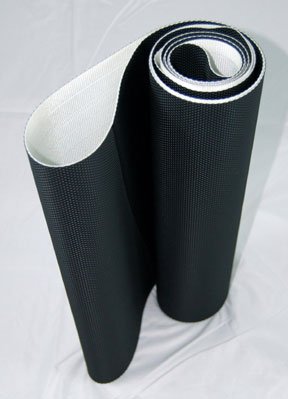
The walking belt itself can cause slowdowns when it is worn, stretched, or dirty. Lubrication matters too. A dry or dusty deck increases friction, and the motor compensates by working harder. Too much lubricant, on the other hand, can cause the belt to slip on the deck.
- Check for visible wear, thinning areas, or a glossy, hardened surface.
- Inspect the deck for grooves or uneven spots.
- Confirm the lubricant level matches what the manufacturer recommends. Use only the product specified for your model.
If you are unsure what product to use, What Oil to Use on Treadmill Belt? Safe Lubricant Guide explains the options. A belt that has worn out may need full replacement, covered in When to Change Treadmill Belt: Signs It's Time and What to Do.
Step 5: Check the Rollers and Bearings
The front and rear rollers guide the belt. Worn bearings or a damaged roller can create drag. Spin the rollers by hand with the power off. They should turn smoothly and quietly. Grinding, wobbling, or a rough feel means the bearings need attention.
Step 6: Consider the Motor and Control Board
If the belt, tension, and rollers all check out, the motor or control board may be underperforming. Signs include a burning smell, a motor that gets very hot, a belt that slows only at higher speeds, or error codes on the console. Motor capacity is also a factor: a machine with a small continuous-duty horsepower rating may struggle with heavier users or long running sessions.
Motor and board problems are not a good place for guesswork. Unplug the unit before touching any internal parts, and contact a qualified repair technician or the manufacturer’s support line.
Quick Diagnostic Table
| Symptom | Most Likely Cause | First Step |
|---|---|---|
| Belt slows only when stepping on, sometimes stops entirely | Safety key or lanyard issue | Reseat key and lanyard |
| Belt slips or lags, especially at higher speed | Loose walking belt | Check and adjust tension |
| Motor sounds strained, belt slows with a squeal | Worn or glazed drive belt | Inspect drive belt |
| Belt feels sticky or drags on the deck | Dry, dirty, or excess lubricant | Clean and check lubricant level |
| Rough or noisy rollers | Worn roller bearings | Spin rollers by hand |
| Burning smell, error code, heat at motor | Motor or control board | Stop use and contact a technician |
Tools You May Need
- Owner’s manual for your exact model
- Allen wrench or socket set matching the rear roller bolts
- Flashlight for checking under the motor hood
- Clean, dry cloth
- Manufacturer-approved lubricant, if applicable
Common Mistakes
- Overtightening the belt. This strains bearings and can make the slowdown worse.
- Adjusting one side only. An uneven belt will drift and slip. Turn both bolts equally.
- Using household oil. Products like cooking oil or WD-40 can damage the belt and deck.
- Ignoring the safety key. It is the easiest thing to check and is often overlooked.
- Working on a plugged-in machine. Always unplug before opening the hood or adjusting rollers.
Recommended gear
- Treadmill-specific belt lubricant: Manufacturers specify particular lubricants, and using the right one keeps friction in the correct range. View on Amazon
- Replacement magnetic safety key: If your original key is cracked or lost, a compatible replacement can restore normal operation. View on Amazon
- Socket wrench set: Many rear roller adjustment bolts require a specific size, so a basic set helps you make even, controlled adjustments. View on Amazon
FAQ
Why does my treadmill belt slow down only when I step on it?
Your body weight adds friction and load. A loose belt, a worn drive belt, a safety key problem, or a weak motor can all show up only under that extra load.
Can I fix this without tools?
Checking the safety key, lanyard, and the power cord connection needs no tools. Tension adjustments usually require an Allen wrench or socket.
How much should a treadmill belt lift when tightened correctly?
Many owners’ manuals describe a lift of roughly 2 to 3 inches at the center, but the exact figure varies by model. Check your manual.
Is it safe to use the treadmill if the belt is slowing?
It is best to stop using it until you identify the cause. A slowing belt can cause a fall, especially if it speeds up or stops unexpectedly.
Does lubricant affect belt speed?
Yes. Too little increases friction and drag, while too much can cause the belt to slip. Use only the lubricant your manufacturer specifies.
When should I call a professional?
Call a qualified technician if you notice a burning smell, error codes, a hot motor, or if the drive belt, motor, or control board appears to be the problem. If you have a warranty, contact the manufacturer first.
How do I know if the belt itself needs replacing?
Replacement is usually needed when the belt is visibly thinned, glazed, cracked, or frayed, or when adjustment and lubrication no longer solve the slowdown.
Conclusion
A treadmill belt that slows when stepped on usually comes down to tension, a worn drive belt, lubrication, or a safety feature that needs attention. Work through the steps in order, starting with the simplest checks, and make only small adjustments. If the motor or control board appears to be the source, or if you are uncertain about any internal work, consult a qualified repair technician for safety.
Ready to choose one?
About Emily Parker
Emily Parker is part of our editorial team and reviews and edits our treadmills & walking pads guides, checking product details against manufacturer specifications and owner feedback.