By Emily Parker
Updated November 2026
If you want to move more at home without a full treadmill, a mini stepper or walking pad is the choice most people weigh first. A walking pad wins for readers who want to walk at a steady pace, sometimes while working, and who have a flat, open floor space. A mini stepper suits readers who want a compact, low-cost-footprint cardio tool that stays put in a corner and builds leg strength through a stepping motion rather than a moving belt.
Both products get you on your feet, but they do it in very different ways. The rest of this comparison walks through the criteria that matter most, names a winner for each, and ends with use-case guidance so you can match the machine to your routine.
Quick Comparison Table
| Criterion | Mini Stepper | Walking Pad |
|---|---|---|
| Primary motion | Stepping up and down on pedals or platforms | Walking or light jogging on a moving belt |
| Typical footprint | Small, often under 2 square feet | Larger, usually needs a strip roughly 2.5 to 3 feet wide and 5 or more feet long |
| Storage | Easy to slide under a bed or into a closet | Many models fold or roll, but most are still bulky |
| Workout style | Stair-climbing and leg-focused cardio | Steady-state walking, incline work if the model has it |
| Multitasking | Possible while seated or standing at a counter, though harder to focus on screens | Well suited to walking while working, reading or watching |
| Noise and vibration | Generally quiet, though pedal clicks and creaks can occur | Motor hum and belt sound, usually manageable on a rug or mat |
| Joint impact | Low to moderate, depends on step height and speed | Low, especially at walking speeds |
| Best for | Compact spaces and leg strength | Daily walking and desk-friendly movement |
Workout Style and Movement Pattern
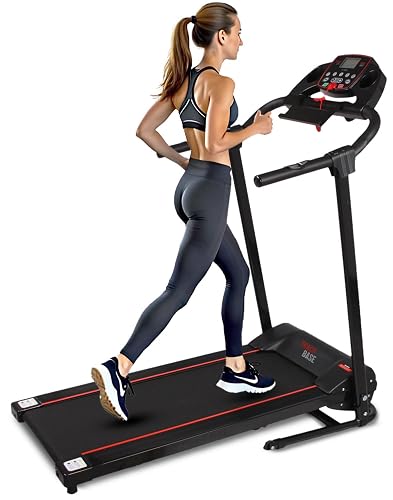
A walking pad moves a belt under your feet, so you walk in place while the surface carries you backward. That pattern is close to outdoor walking, which is why it feels natural for most people. A mini stepper asks you to lift each foot onto a pedal or step and push down, mimicking a stair climb. The motion is more vertical and works the glutes and quads harder per minute.
Winner: Walking pad for readers who want a movement pattern that matches everyday walking. Winner: mini stepper for readers who specifically want stair-style leg work and are comfortable with a more repetitive motion.
Footprint and Space Requirements
Space is where the two categories diverge most. Manufacturers of walking pads commonly specify belt lengths around 45 to 55 inches and widths near 16 to 20 inches, plus clearance on each side for safe use. That adds up to a strip of floor roughly 5 to 6 feet long. A mini stepper usually occupies a footprint of about 15 by 15 inches, or less, and can sit beside a sofa or in a bedroom corner without much rearranging.
Winner: Mini stepper. If your space is a studio apartment, a shared bedroom or a hallway, the smaller footprint is hard to beat. Check the manufacturer’s listed dimensions and compare them against your actual clearance before ordering.
Storage and Portability
Some walking pads fold vertically or roll onto their wheels, which helps when you need to clear the room. Mini steppers tend to be lighter and easier to slide under furniture. Weight is a useful number here: many compact steppers weigh well under 20 pounds, while walking pads often run considerably heavier because they carry a motor and a belt.
Winner: Mini stepper for simple, frequent storage. Walking pads with a true folding design can work too, but read the specs on fold height and lock mechanism before assuming the machine stows easily.
Multitasking and Desk-Friendly Use
This is the criterion where walking pads are most often praised. Owners often report walking at low speeds while answering email or taking calls, and many walking pads are designed with that in mind. Stepping while seated is not really possible on a mini stepper, and while you can use one at a standing desk, holding a screen or document at the right height takes more effort.
Winner: Walking pad. If your goal is to add steps to a workday, a low-speed walking pad is the more practical tool. For more detail on what counts as desk-friendly, see Best Walking Pads for Under a Desk: 6 Models Compared.
Noise, Vibration and Household Impact
Walking pads contain a motor and a moving belt, so they produce a steady hum and some vibration through the floor. Placing a rubber mat or a thick rug underneath helps reduce both, and most owners find them tolerable during daytime hours. Mini steppers are typically quieter because there is no belt running continuously, but pedal and hinge noise can appear over time, especially if the frame is not tightened.
Winner: Mini stepper for quiet operation, particularly in apartments or shared homes. Walking pad owners should plan on a mat and a consistent maintenance routine. For a broader look at safety and the trade-offs, read Walking Pads Explained: Uses, Limits and Safety.
Joint Impact and Comfort
Walking pads are generally easy on joints at walking speeds because the belt moves smoothly and your foot strike resembles normal walking. Mini steppers can be just as gentle when the step height is low and you move at a controlled pace. Problems tend to appear when people push the speed or the step height too far, which can strain knees and ankles. Anyone with existing joint pain, balance problems or a recent injury should check with a physician or physical therapist before starting either type of machine.
Winner: Walking pad for most people, since the walking motion is the most familiar and easiest to control. Mini stepper works well when kept at moderate settings.
Workout Variety and Progression
Walking pads can progress through speed, and some models add incline. That lets you build from a slow walk to a brisk pace over several weeks. Mini steppers progress through tempo and sometimes resistance settings, and leg fatigue sets in quickly, which is useful for short, intense sessions. If you want to build a structured routine, a beginner plan such as Beginner Treadmill Walking Plan: Start Slowly applies well to walking pads.
Winner: Walking pad for progressive walking programs. Mini stepper wins for short, leg-focused intervals.
Which Should You Choose?
- Choose a walking pad if you want to walk daily, work or read while moving, and have a flat space about 5 to 6 feet long.
- Choose a walking pad if you prefer a movement pattern that feels like normal walking and you want to build steps gradually.
- Choose a mini stepper if floor space is very limited and you need something to tuck away quickly.
- Choose a mini stepper if you want leg and glute work in short sessions without a large machine.
- Choose a mini stepper if quiet operation matters more than long, steady-state walking.
- Choose either option if you are unsure, and start with the one that matches the room you actually have. For a fuller comparison of home use, see Mini Stepper vs Walking Pad (2026): Which Is Better for Home Use?
Top Picks for Each Option
For a walking pad, a widely recognized option is the Sperax Under Desk Treadmill, which many readers consider a standard starting point for low-speed desk walking. Owners often report that its compact build fits under a standing desk without difficulty. Review details for specific walking pad models are covered in pieces like King Smith Walking Pad Review (2026): Is It Worth It?
For a mini stepper, the Stamina InMotion E1000 Elliptical is not a stepper, so instead consider the Stamina Vertical Climber, a well-known compact stepping machine that many buyers choose for stair-style cardio at home. Manufacturers typically specify a compact frame and adjustable resistance, which suits small rooms.
FAQ
Is a mini stepper or walking pad better for weight loss?
Either can contribute to weight loss when used consistently and paired with sensible eating. Walking pads make it easier to accumulate daily steps, while mini steppers can deliver a harder workout in less time. The better choice is the one you will use most days.
Can I use a walking pad at a standing desk?
Yes, many people do, provided the walking pad has a low maximum speed and the desk height is adjusted so you can type comfortably. Check the manufacturer’s clearance guidance before placing it under a desk.
Are mini steppers safe for people with knee problems?
They can be, if you keep step height and speed moderate. Anyone with knee pain, arthritis or a recent surgery should consult a doctor or physical therapist before starting a stepping routine.
How much floor space does a walking pad need?
Most walking pads need a strip about 5 to 6 feet long and roughly 2.5 to 3 feet wide, including clearance. Measure your floor and the manufacturer’s listed dimensions before buying.
Which option is quieter?
Mini steppers are generally quieter because they lack a continuously running belt. A walking pad on a thick mat is still reasonably quiet for daytime use, but expect some motor hum.
Conclusion
A walking pad is the better choice for readers who want steady, low-impact walking and the ability to move while working. A mini stepper is the better choice for tight spaces, quiet use and short, leg-focused cardio. Measure your room, decide whether you want to walk or climb, and match the machine to that answer. If you are still undecided, reading the related guides linked above will help you settle the question with more detail.
About Emily Parker
Emily Parker is part of our editorial team and reviews and edits our treadmills & walking pads guides, checking product details against manufacturer specifications and owner feedback.