By Emily Parker
Updated November 2026
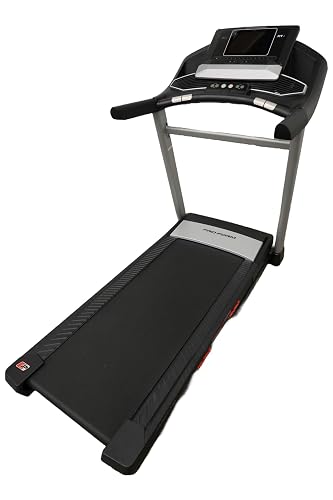
An 800 W folding fitness treadmill running machine is a compact, motorized walking and light-jogging unit that folds upright for storage. This guide explains what the 800 W rating actually means, how to check whether a model suits your body weight and pace, and how to set up and maintain one safely. By the end, you will know which specs matter, which ones are marketing, and what to inspect before you commit to a purchase.
What an 800 W Rating Actually Tells You
Most folding treadmills list a peak or nominal motor output in watts, and manufacturers sometimes use horsepower instead. Roughly 746 watts equals one horsepower, so an 800 W motor is close to 1.0 HP. That is a reasonable figure for walking and light jogging, but it is not a measure of how hard you can run for an hour.
Shopping for one? See our guide: 4 Best Folding Treadmill Running Machines for Home Use (2026).
Continuous duty rating matters more than peak output. A motor rated for intermittent use may overheat if you walk at 3.5 mph on an incline for 45 minutes. When comparing models, look for the words “continuous duty” in the spec sheet. If a listing gives only a peak number, treat it with caution.
Peak vs. Continuous Horsepower
Peak horsepower describes the short burst a motor can produce when starting from a stop. Continuous horsepower describes what it can sustain. For a folding unit, continuous output is the number that predicts whether the belt will slow down under load.
Why Motor Size Alone Doesn’t Settle the Question
Motor power works together with belt length, deck cushioning, and the drive system. A well-built 800 W unit with a solid deck can feel steadier than a larger motor paired with a flimsy frame.
Step 1: Check Your Body Weight and Use Pattern
Manufacturers publish a user weight limit, and it is the first hard number to verify. Owners often report that the belt feels sluggish or the motor strains when they are near the top of the stated range, especially at higher incline or faster speeds. Choose a model with a limit comfortably above your weight.
Also think about how you will use it. Walking 20 to 30 minutes a day is a different demand than running intervals five days a week. If you plan to run, prioritize deck length and cushioning over raw wattage.
Estimating Your Needs
- Average walking pace: most users stay between 2.0 and 3.5 mph.
- Jogging pace: typically 4.5 to 6.0 mph for recreational runners.
- Session length: note whether you expect sessions under 30 minutes or over an hour.
- Incline: decide whether you need incline or whether flat ground is enough.
Step 2: Measure the Deck and Your Stride
The running deck is the surface your feet land on. Length and width determine how comfortably you can take a full stride without stepping near the front or rear rollers. Measure your own stride length while walking at a comfortable pace, then compare it to the deck specs.
| Use Case | Suggested Minimum Deck Length | Suggested Minimum Deck Width |
|---|---|---|
| Walking only | About 45 inches | About 15 inches |
| Light jogging, shorter stride | About 50 inches | About 16 inches |
| Regular running, taller user | About 55 inches or more | About 18 inches or more |
These ranges are general guidelines for folding models. Always check the specific manufacturer’s deck dimensions, since many compact units run shorter than their overall footprint suggests.
Step 3: Evaluate the Folding Mechanism
A folding treadmill is only useful if it folds and unfolds without hazard. Inspect the hinge, the locking latch, and the gas-assist or spring system that helps lift the deck. Owners often report that weak hinges or worn latches cause the deck to drop unexpectedly, so this area deserves a close look.
- Confirm there is a clear locking pin or latch that engages when the deck is upright.
- Check that the deck lifts smoothly without binding or jerking.
- Look for a stabilizing base that stays flat on the floor when the unit is in use.
- Verify the wheels, if present, lock or are positioned so the unit does not roll while running.
Storage Footprint
Measure the floor space needed when the unit is folded, including the wheels and any clearance behind it. Measure the operating footprint too, because you will need room to step on and off safely and to keep the treadmill several feet from walls.
Step 4: Compare Controls, Display and Connectivity
Most 800 W folding units offer a basic console with speed, incline (if fitted), time, distance and calories. Some add preset programs or a heart-rate grip. Decide whether you need data tracking or whether a simple display is enough. A console with a clear emergency stop clip is a must; confirm it is included.
If you plan to use a tablet or phone app, check whether the model supports Bluetooth and which app it pairs with. Some owners find app pairing unreliable, so treat connectivity as a bonus rather than a core feature.
Step 5: Set Up and Test Safely
Set up the unit on a level, hard surface. Carpet can be used if the manufacturer allows it, but it may hinder belt alignment. Place the treadmill away from furniture, doors and outlets, and keep a clear zone of at least two feet on each side.
- Unpack and lay out all parts, comparing them to the hardware list.
- Assemble the base and upright according to the manual’s torque or order steps.
- Plug the unit into a grounded outlet on its own circuit if possible. Avoid extension cords.
- Attach the emergency stop clip to your clothing before the first run.
- Start at the lowest speed and walk for five minutes before increasing.
- Check belt tracking: the belt should center without drifting toward either side.
Common Mistakes
- Buying on wattage alone. Continuous duty rating and deck quality matter more for daily use.
- Ignoring the user weight limit. Staying near the top of the range can shorten belt and motor life.
- Skipping the emergency stop clip. A sudden fall is the most common injury risk on any treadmill.
- Placing the unit on soft flooring without checking. Uneven surfaces affect belt tracking and stability.
- Folding without locking. Always confirm the latch is engaged before stepping away.
- Running on a deck that is too short. Short decks force a shortened stride and increase the chance of tripping.
Maintenance Tips
Keep the belt clean and check tension monthly. Most manufacturers recommend lubricating the deck only if the model specifically calls for it, so follow the manual rather than applying silicone or oil by guesswork. Dust the motor housing and check for loose fasteners after the first few weeks of use. If the belt drifts, adjust the rear roller bolts in small quarter-turn increments.
For repair guidance, see Sunny Health & Fitness Folding Treadmill: Setup, Use and Buying Checklist for a general setup and maintenance checklist that applies to many folding models.
Recommended gear
A few accessories make a folding treadmill easier and safer to live with.
- Equipment mat. A thick rubber mat under the unit reduces vibration and protects flooring. View on Amazon
- Replacement emergency stop clip. Keeping a spare clip on hand means you never run without one. View on Amazon
- Silicone-free belt cleaner. A dedicated cleaner suited to treadmill belts helps keep the deck clean without damaging the surface. View on Amazon
FAQ
Is 800 W enough for running?
It can be enough for light jogging and walking, especially for users under the stated weight limit. Heavier runners or those running long intervals often prefer higher continuous horsepower and a longer deck.
What does a folding treadmill’s weight limit mean?
It is the maximum user weight the manufacturer has tested the frame, deck and motor against. Staying below it helps protect the belt, motor and folding hinge over time.
Do I need an incline on an 800 W model?
Incline is optional. Many walkers use flat settings only, but incline adds calorie burn and muscle load. Check whether the unit has a motorized incline or manual adjustment before buying.
Can I place a folding treadmill on carpet?
Some models can operate on low-pile carpet, but many manufacturers recommend a hard, level surface. Carpet can affect belt tracking and cause the base to shift.
How do I know if the belt is tracking correctly?
The belt should run centered with even space on both sides. If it drifts to one side while running, adjust the rear roller bolts a quarter turn at a time, then recheck.
Is a folding treadmill safe for daily use?
It can be, provided you use the emergency stop clip, respect the weight limit, and inspect the folding mechanism regularly. Consult a physician before starting a new exercise program, especially if you have heart, joint or balance concerns.
How often should I maintain the belt and deck?
Check tension and cleanliness monthly, or more often if you use the unit daily. Follow the manufacturer’s lubrication schedule exactly, since some models require no lubrication at all.
Conclusion
An 800 W folding fitness treadmill running machine suits walking and light jogging when the motor’s continuous rating, deck size and user weight limit match your needs. Measure your stride, inspect the folding mechanism, and set up on a level surface with the emergency stop clip attached. Maintain the belt and check tracking regularly to keep the unit safe and smooth for years.
Related reading
- Superfit 3hp Folding Electric Treadmill Running Machine W/ Speaker: A Practical Guide (2026)
- Superfit 2.25hp Folding Treadmill Running Machine Led Touch Display: A Practical Guide (2026)
- SereneLife Folding Treadmill Motorized Running Machine Review (2026)
- Folding Electric Treadmill Motorized Running Machine?
- Costway 2.25hp Folding Treadmill Running Machine Led Touch Display: A Practical Guide (2026)
Ready to choose one?
About Emily Parker
Emily Parker is part of our editorial team and reviews and edits our treadmills & walking pads guides, checking product details against manufacturer specifications and owner feedback.