By Emily Parker
A walking pad vs treadmill decision usually comes down to one question: will you mostly walk, or do you need to run? A walking pad is a compact, low-profile machine built for slow walking at a desk or in a small room, and it often slides under a sofa or desk when not in use. A full treadmill costs more, takes up more floor space, and handles running, steeper inclines and longer sessions with more stability. If walking is your goal and space is tight, a walking pad usually makes more sense. If you run, train on inclines, or want one machine that does everything, a treadmill is the better buy.
This guide compares the two options across the criteria that matter most at home. Specifications vary widely by model, so treat the comparisons below as general patterns and check each manufacturer’s listed numbers before you buy. For a broader look at how these machines differ by use, see Walking Pad vs Treadmill: Which Fits Your Home?.
Walking Pad vs Treadmill at a Glance
| Criterion | Walking Pad | Treadmill |
|---|---|---|
| Typical top speed | Usually about 4 mph or less, with many models topping out lower | Often 10 mph or more on mid-range and higher models |
| Running suitability | Not designed for running; best for walking | Built for walking, jogging and running |
| Footprint | Narrow and short; many fit under a desk or bed | Larger, usually requiring a dedicated corner or room |
| Folding and storage | Often lightweight and easy to move or store | Many fold upright, but heavier units are harder to move |
| Incline | Rare or limited; most are flat | Common on many models, with a range of incline settings |
| Motor and build | Smaller motors; lighter frames | Larger motors and heavier frames for sustained use |
| Stability and user weight | Adequate for walking; less margin for heavier or faster use | More stable at higher speeds and for longer sessions |
| Noise | Generally quieter at walking speeds | Noise rises with speed, motor size and belt impact |
| Upfront cost | Typically lower | Typically higher |
| Desk use | Strong fit; designed with desk work in mind | Possible, but many models are too large or too fast for comfortable desk use |
| Best for | Walking, light activity, desk walking | Running, incline training, all-around cardio |
Top Speed and Pace Range: Treadmill Wins
Top speed is the clearest dividing line. Most walking pads cap at around 4 mph, and many are set lower for safety and design reasons. That range suits a relaxed walk, and some users comfortably walk at 2 to 3 mph for long periods. It does not suit running. Manufacturers generally do not market walking pads for jogging, and owners who try to push them harder often find the belt and frame feel less secure.
Treadmills cover a much wider range. Many mid-range models reach 10 mph or more, which gives you room to progress from brisk walking to jogging and interval training. If your plan includes running now or later, a treadmill keeps that option open. A walking pad will not.
Winner: Treadmill for anyone who may want to run or build speed over time.
Running Ability and Impact: Treadmill Wins
Running puts higher forces through the deck, belt and frame than walking does. Treadmills are designed to handle that, with cushioned decks, wider belts and sturdier construction. Owners often report that a treadmill feels more secure at jogging pace because the frame and deck are built with that load in mind.
Walking pads are built for lower-impact movement. Their decks and frames are not designed for the repeated shock of running, so they are not the right tool if your goal is running. If you are new to running, a treadmill with a proper deck and a gradual plan is a safer starting point. The guide Treadmill Running Basics for New Runners covers how to begin without overloading your joints.
Winner: Treadmill for running. Walking pads are fine for walking, but they are not meant for running.
Footprint and Space Requirements: Walking Pad Wins
This is where walking pads shine. Many are narrow enough to sit beside a desk or slide under a standing desk when not in use. Some are short enough to fit in a hallway or a small apartment corner. Because they are light, you can often move them between rooms with little effort.
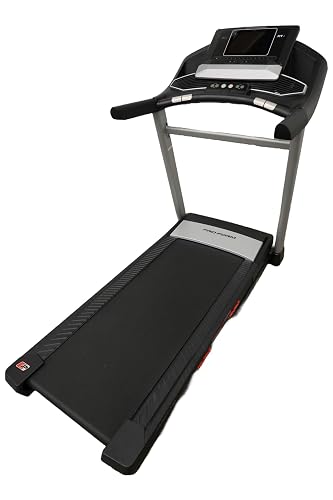
A standard treadmill needs more room. Most models require a clear area that is longer than the deck, plus space at the front and back for safe stepping on and off. You also need to account for the folded height if the unit folds upright. Before buying either machine, measure the spot you have in mind, including clearance for the handrails and console. Treadmill Mats and Flooring: Surface and Clearance explains how much clearance to plan for.
Winner: Walking pad for tight spaces, apartments and under-desk setups.
Incline Options: Treadmill Wins
Incline changes the workload. Walking uphill engages the glutes, calves and hips more than a flat walk, and many people use incline to add intensity without increasing speed. Many treadmills offer incline, and some offer a wide range of settings. Walking pads rarely include an incline, and when they do, the range is usually limited.
If you plan to use incline regularly, check the maximum incline percentage in the manufacturer’s specifications and confirm that the motor and frame are rated for it. For a beginner-friendly introduction, see Incline Walking on a Treadmill: Basics and Treadmill Incline Explained: How to Use It.
Winner: Treadmill for varied workouts and incline training.
Motor Size and Build Quality: Treadmill Wins for Sustained Use
Motor power is usually measured in continuous horsepower (CHP) or peak horsepower, and the numbers are not always directly comparable between brands. Walking pads typically use smaller motors that are sized for light, slow use. Treadmills generally use larger motors, often with higher continuous ratings, and heavier frames that absorb vibration better over long sessions.
A larger motor does not automatically mean a better machine, but it does mean more headroom. If you walk for an hour a day at a steady pace, a walking pad motor may be perfectly adequate. If you run, walk at higher speeds, or use the machine for long sessions, a treadmill motor with a higher continuous rating gives you more margin. For a plain-language explanation of these ratings, read Treadmill Motor Specifications Explained and Treadmill Motors: CHP, Peak Power and Electrical Needs.
Winner: Treadmill for heavier users, long sessions and any running.
Noise Levels: Walking Pad Wins at Walking Speed
Noise depends on speed, motor size, belt tension, and the surface under the machine. At walking speeds, many walking pads are quiet enough for a home office or a shared apartment. The main sources of noise are the motor and the belt, and both are generally quieter at slower speeds.
Treadmills get louder as speed increases, and heavier impacts from running are more noticeable through floors. A mat can reduce both noise and vibration, but it cannot eliminate them. If you live in an apartment or share a wall with someone, a walking pad used at a steady walking pace is usually the easier choice.
Winner: Walking pad for quiet walking, especially at desks or in shared living spaces.
Desk Work and Walking While Working: Walking Pad Wins
Walking pads were designed with desk users in mind. They are low, narrow and built for slow, steady movement while you type, read or take calls. Many people use them under a standing desk or beside a desk for short walking sessions throughout the day.
Treadmills can be used for desk-adjacent walking, but they are harder to fit into a workspace and are often more than you need for slow walking. A treadmill with a large deck and high top speed may be overkill for a desk setup. For setup details, see Under-Desk Treadmills: Setup and Safe Use and Treadmill Desk Setup: Height, Screen and Safe Use.
Walking pads designed for under-desk use are a separate category. If you are looking at specific models, Best Walking Pads for Under a Desk: 6 Models Compared compares options side by side.
Winner: Walking pad for desk work.
Upfront Cost and Ongoing Costs: Walking Pad Wins on Entry Price
Walking pads generally cost less to buy than treadmills, since they use smaller motors and simpler frames. Cost comparisons should also consider what you will actually use. A cheap walking pad that you cannot use for running may not be a bargain if you later want to run. A treadmill that sits unused is also a poor investment. Compare the features you need against the price, and check current pricing directly from the retailer, since prices change often.
Ongoing maintenance is broadly similar. Both machines need belt checks, lubrication where the manual calls for it, and periodic inspection of the frame and fasteners. Treadmills with heavier use may need more frequent attention. For what to check and when, see Treadmill Maintenance Supplies: What Manuals Call For and Treadmill Lubrication: What Manuals Say.
Winner: Walking pad on upfront cost. Maintenance costs are roughly comparable.
Safety Features: Treadmill Usually Wins
Many treadmills include a safety key, which stops the belt if the user falls or steps away from the deck. Some walking pads include a similar feature, and many also have a remote. Check the specifications before buying. Whichever machine you choose, a safety key or clip is a worthwhile accessory, especially if you use the machine at a desk or near children or pets. Treadmill Safety Key and Safety Accessories explains how these work.
Folding mechanisms are another safety point. Treadmills that fold upright have latches and locking pins that must be fully engaged before the machine is left standing. Walking pads that fold or slide under furniture also need proper locking. Read Treadmill Folding Mechanisms: Latches and Safety before you store either type.
Winner: Treadmill, mainly because more models include a standard safety key and sturdier stopping features. Check each model.
Which Should You Choose?
Use these guidelines to narrow your choice:
- Choose a walking pad if you mainly walk at a steady pace, work at a desk, have limited space, live in an apartment, or want a quiet, low-cost option.
- Choose a treadmill if you want to run or jog, use incline regularly, walk at faster speeds, have a heavier body weight, or plan long sessions most days.
- Choose a walking pad if you are starting with short walks and want to build the habit before committing to a larger machine.
- Choose a treadmill if you want one machine for walking, running and varied training.
- Choose a treadmill if you have a dedicated room and want maximum stability and room to grow.
- Choose a walking pad if you need to move the machine often or store it out of sight.
If you are not sure, start by writing down your three most likely uses over the next year. If running appears on the list, a treadmill is the safer long-term choice. If walking and desk work are the only uses, a walking pad will likely serve you well.
Check Current Prices
Compare walking pads and treadmills against the specifications that matter for your routine. Prices and availability change, so confirm the current price before buying.
Check price on Amazon for walking pads designed for desk and home use.
Check price on Amazon for treadmills suited to walking, running and incline training.
FAQ
Can you run on a walking pad?
Walking pads are designed for walking at low speeds, usually with a top speed of about 4 mph or less on most models. Manufacturers generally do not recommend running on them. If running is part of your plan, choose a treadmill with a deck and motor rated for it. Consult the manual for your specific model before attempting any running.
Is a walking pad good enough for weight loss?
A walking pad can support a daily walking habit, and regular walking is a practical way to add activity. Results depend on your starting point, diet, consistency and other factors. If you have a health condition, are returning to exercise after a long break, or take medication that affects heart rate or balance, talk with a doctor or qualified professional before starting a new routine.
How much space do I need for a walking pad versus a treadmill?
Many walking pads are narrow and short enough to fit beside a desk or in a small corner, and some slide under furniture when stored. Treadmills need more room, including space in front and behind the deck for safe stepping on and off. Measure your intended spot, add clearance for the console and handrails, and check the manufacturer’s listed dimensions before buying.
About Emily Parker
Emily Parker is part of our editorial team and reviews and edits our treadmills & walking pads guides, checking product details against manufacturer specifications and owner feedback.